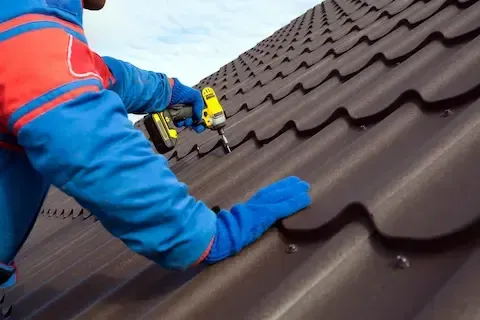
Metal Roofing in Decatur AL Standing Seam and Shingles
Metal roofing systems have become increasingly popular throughout Decatur and the broader Tennessee Valley region, offering superior durability against the area's challenging weather patterns. From intense summer heat that regularly exceeds 90 degrees to severe thunderstorms capable of producing golf ball-sized hail, metal roofing provides long-term protection that traditional asphalt shingles simply cannot match. Property owners in Decatur are discovering that metal roofing installations, while requiring higher upfront investment, deliver decades of reliable performance with minimal maintenance requirements.
The decision to install metal roofing involves understanding the three primary system types available: standing seam panels, metal shingles, and exposed fastener systems. Each option provides distinct advantages depending on your building's architecture, budget considerations, and long-term goals. Standing seam systems offer the highest weather resistance and longevity, while metal shingles provide traditional aesthetics with enhanced durability. Exposed fastener systems deliver cost-effective solutions for agricultural and industrial applications.
Standing Seam Metal Roofing Systems
Standing seam metal roofing represents the premium option for Decatur residential and commercial properties. These systems feature interlocking panels that run vertically from ridge to eave, with raised seams that connect adjacent panels without exposed fasteners. The concealed fastening system eliminates potential leak points while allowing for thermal expansion and contraction during Alabama's temperature fluctuations.
Panel widths typically range from 12 to 24 inches, with the most common residential installation being 16-inch coverage. The panels themselves are formed from 24-gauge or 26-gauge steel, aluminum, or copper materials. Steel panels receive galvanized coating followed by painted finishes that resist fading and chalking under intense Tennessee Valley sunlight. Aluminum panels offer superior corrosion resistance, particularly valuable in areas with high humidity or salt exposure.
Installation requires specialized equipment and experienced contractors familiar with proper seaming techniques. Mechanical seaming tools create weathertight connections between panels, while snap-lock systems allow for faster installation on simpler roof geometries. The concealed clip system accommodates thermal movement while maintaining structural integrity during high-wind events common in North Alabama.
Standing seam systems excel in Decatur's climate because they shed water rapidly, resist ice dam formation, and reflect significant amounts of solar radiation. Energy savings can reach 15-25% compared to dark asphalt roofing, reducing cooling costs during Alabama's extended summer season. The smooth surface also prevents debris accumulation and simplifies maintenance requirements.
Metal Shingle Installations
Metal shingles provide traditional roofing aesthetics while delivering enhanced durability and weather resistance. These individual panels mimic the appearance of asphalt shingles, wood shakes, or slate tiles while offering superior performance against hail damage and wind uplift. Manufacturing processes create realistic textures and shadow lines that blend seamlessly with existing neighborhood architecture throughout Decatur subdivisions.
Individual shingles typically measure 12 inches by 36 inches or similar dimensions, with interlocking edges that create weathertight seals. Installation follows similar principles to traditional shingles but requires specialized fasteners and proper overlap techniques. The individual panel approach allows for easier repairs if damage occurs, as specific sections can be replaced without affecting the entire roof system.
Steel-based metal shingles receive multi-layer coating systems that provide decades of color retention and corrosion protection. Stone-coated steel shingles incorporate granular surfaces that reduce noise during rainfall while providing additional UV protection and visual appeal. These systems perform exceptionally well against hail impact, often receiving Class 4 impact ratings that qualify for insurance discounts.
Weight considerations favor metal shingles over traditional materials, with installed systems weighing approximately 1.5 pounds per square foot compared to 3-4 pounds for asphalt shingles. This reduced structural load allows for installation over existing roofing in many cases, reducing removal and disposal costs while expediting project completion.
Material Selection and Performance Characteristics
Steel remains the most popular metal roofing material in Decatur due to its strength, affordability, and coating technology advances. Galvalume-coated steel provides excellent corrosion resistance by combining aluminum and zinc protection layers. The aluminum component offers barrier protection while zinc provides galvanic protection at cut edges and scratch points. This dual protection system extends service life significantly compared to traditional galvanized coatings.
Paint systems applied over galvalume coating utilize fluoropolymer resins that resist chalking, fading, and film degradation under UV exposure. Kynar 500 and Hylar 5000 represent premium paint systems that maintain color integrity for 30-40 years with proper installation and maintenance. These coatings also provide additional corrosion protection while offering extensive color options to complement architectural styles.
Aluminum roofing excels in coastal environments or areas with high atmospheric corrosion but requires thicker gauges to achieve comparable strength to steel systems. The material's natural corrosion resistance eliminates coating dependency, though painted finishes still provide enhanced aesthetics and reflectivity benefits. Copper roofing delivers unmatched longevity and develops distinctive patina coloration over time, though initial costs exceed other metal options significantly.
Thermal performance varies among metal roofing materials and colors. Light-colored finishes reflect 60-80% of solar radiation, while darker colors may reflect only 25-35%. Cool roof pigments maintain color depth while enhancing reflectivity, providing compromise solutions for aesthetic preferences and energy efficiency goals. Proper attic ventilation remains crucial regardless of roofing material selection to prevent moisture issues and optimize thermal performance.
Installation Considerations and Techniques
Proper installation techniques determine metal roofing system performance and longevity. Substrate preparation requires solid decking, typically 7/16-inch OSB or 5/8-inch plywood, installed with appropriate fastener spacing and edge support. Underlayment selection depends on roof pitch and local building codes, with synthetic materials offering superior tear resistance and UV stability compared to traditional felt papers.
Fastener selection and placement represent critical installation aspects. Standing seam systems utilize clips that attach to structural decking while allowing panel movement. Screw placement in exposed fastener systems requires precise alignment to prevent panel distortion and ensure weathertight seals. Stainless steel or coated fasteners prevent galvanic corrosion when contacting aluminum or coated steel panels.
Flashing details around penetrations, valleys, and transitions require careful attention to prevent water infiltration. Metal Roofing systems demand specific flashing materials and installation techniques that differ from traditional roofing approaches. Thermal movement considerations influence flashing design, particularly at long roof runs or areas with significant temperature variations.
Ridge ventilation integration maintains attic airflow while preserving weather resistance. Specialized ridge vents designed for metal roofing accommodate panel profiles while providing adequate ventilation capacity. Soffit venting must complement ridge ventilation to establish proper airflow patterns that prevent moisture accumulation and ice dam formation.
Weather Resistance and Durability Factors
Decatur's climate presents specific challenges that metal roofing systems handle exceptionally well. Summer temperatures frequently exceed 95 degrees with high humidity levels that can accelerate material degradation in lesser roofing systems. Metal roofing's reflective properties reduce surface temperatures by 50-60 degrees compared to dark asphalt roofing, minimizing thermal stress and extending system life.
Severe weather events throughout North Alabama include tornadoes, severe thunderstorms, and occasional ice storms. Metal roofing systems resist wind uplift forces better than traditional materials due to their continuous attachment systems and aerodynamic profiles. Standing seam systems particularly excel in high-wind conditions, with properly installed systems withstanding winds exceeding 150 mph.
Hail resistance varies among metal roofing types and gauges. Thicker materials and standing seam profiles generally resist denting better than thinner exposed fastener systems. However, even minor denting rarely affects system weathertightness or structural integrity. Stone-coated steel shingles provide excellent hail resistance while maintaining traditional aesthetics that satisfy homeowner association requirements.
Lightning protection considerations often arise with metal roofing installations. Metal roofing does not increase lightning strike probability but provides excellent conductivity if strikes occur. Proper grounding and bonding eliminate safety concerns while potentially reducing fire risk compared to combustible roofing materials. Professional installation ensures compliance with electrical codes and safety standards.
Common Installation Mistakes and Prevention
Inadequate fastening represents the most common metal roofing installation error. Over-driven fasteners compress gaskets excessively, creating leak paths, while under-driven fasteners fail to achieve weathertight seals. Proper fastener torque requires experience and appropriate tools to achieve consistent results across entire installations.
Thermal expansion accommodation often receives insufficient attention during installation planning. Metal panels expand and contract significantly with temperature changes, requiring proper clip selection and placement in standing seam systems. Fixed clips at one end and sliding clips throughout the panel length accommodate movement without creating stress points or fastener failure.
Incompatible material combinations create galvanic corrosion issues that dramatically reduce system life. Copper materials cannot contact aluminum or galvanized steel directly without isolation barriers. Fastener selection must consider galvanic compatibility to prevent accelerated corrosion at connection points. Professional installers maintain material compatibility charts and use appropriate isolation techniques.
Inadequate ventilation design leads to condensation issues and reduced energy efficiency. Metal roofing systems require continuous soffit-to-ridge airflow to prevent moisture accumulation and ice dam formation. Blocked or insufficient ventilation can cause structural damage and void manufacturer warranties. Proper ventilation design considers climate conditions, building usage, and roof configuration to optimize performance.
Local Climate Considerations for Tennessee Valley
The Tennessee Valley's humid subtropical climate creates specific conditions that influence metal roofing performance and material selection. High humidity levels throughout summer months can accelerate corrosion processes in inadequately protected materials. Quality coating systems and proper installation techniques become essential for achieving expected service life in this environment.
Seasonal temperature variations in Decatur range from below freezing in winter to over 100 degrees in summer. This temperature range creates significant thermal cycling that tests material durability and expansion joint design. Metal roofing systems accommodate these movements better than rigid materials, maintaining weathertightness through countless expansion and contraction cycles.
Rainfall patterns throughout the region include intense thunderstorms that can deliver several inches of precipitation in short periods. Metal roofing's rapid water shedding capabilities prevent standing water issues that plague low-slope installations. Proper gutter sizing and drainage design complement metal roofing performance during heavy rainfall events common in North Alabama.
Ice formation during winter months, while infrequent, can create challenges for any roofing system. Metal roofing's smooth surface and thermal properties typically prevent significant ice accumulation. However, proper insulation and ventilation remain essential to prevent ice dam formation at eave areas where thermal bridging can occur.
Professional Installation and Warranty Considerations
Metal roofing installation requires specialized knowledge and equipment that most property owners cannot provide independently. Professional installers understand material handling techniques that prevent damage during delivery and installation. Proper panel storage, cutting techniques, and weather protection during installation prevent issues that could affect long-term performance.
Manufacturer warranties typically require professional installation by certified contractors to maintain coverage validity. These warranties often provide 30-50 year paint warranties and 20-30 year perforation warranties when installation follows prescribed techniques and uses approved materials. Documentation requirements include installation photos, material certifications, and compliance verification.
Local building code compliance involves permit acquisition, inspection scheduling, and adherence to wind load and attachment requirements specific to North Alabama. Professional contractors maintain current code knowledge and working relationships with local building departments to streamline approval processes. Proper installation documentation protects property owners during insurance claims and warranty situations.
For comprehensive roofing solutions beyond metal installations, consider reviewing our Decatur AL repair overview to understand maintenance requirements and repair options. Regular professional inspections help identify minor issues before they develop into significant problems, protecting your metal roofing investment for decades of reliable service. For expected service life by metal type see how long a metal roof lasts in the Decatur AL climate, and standing seam heat performance in Decatur summers covers the energy side in detail.
