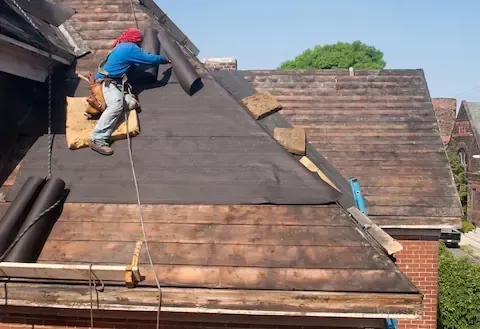
Roof Repair in Decatur AL From Leaks to Storm Damage
Your roof protects everything you value most, but even the best roofing systems eventually need repairs. In Decatur AL, roofs face unique challenges from severe thunderstorms, hail, high winds, and the humid subtropical climate that can accelerate wear on roofing materials. Understanding when repairs make sense versus replacement helps you make informed decisions that protect your investment and your family's safety.
Common Roof Problems in Decatur Alabama
Decatur's location in the Tennessee Valley creates specific roofing challenges. Summer storms bring intense rainfall that can overwhelm gutters and find weak points in your roofing system. Hail damage from spring and summer thunderstorms can crack shingles, dent metal roofing, and create punctures that lead to leaks. High winds during severe weather events can lift shingles, exposing underlayment and decking to moisture damage.
Age-related deterioration affects all roofing materials differently in Alabama's climate. Asphalt shingles become brittle from UV exposure and thermal cycling between hot summers and cold winters. Granule loss accelerates, reducing protection against water penetration. Flashing around chimneys, vents, and roof penetrations expands and contracts with temperature changes, creating gaps where water can enter.
Missing or damaged shingles create immediate vulnerabilities. Even a single missing shingle can allow water to reach the underlayment and decking. Once moisture penetrates the roof structure, damage spreads quickly in Alabama's humid conditions. Mold growth, wood rot, and structural damage can develop within weeks of initial water intrusion.
Gutter problems compound roofing issues. Clogged gutters cause water to back up under shingles along the roof edge. Ice dams, while less common in Decatur than northern climates, can still form during occasional winter storms and cause similar backup problems. Proper Roof Repair addresses these interconnected systems to prevent future problems.
When Repairs Make Financial Sense
Repair versus replacement decisions depend on multiple factors including age, extent of damage, and long-term plans for your property. For roofs under ten years old with isolated damage, repairs usually provide the best value. Storm damage limited to specific areas can often be addressed through targeted repairs that restore full protection.
Minor leak repairs typically cost between $200 and $800, depending on the source and accessibility. Replacing a few damaged shingles runs $150 to $400 for materials and labor. Flashing repairs around chimneys or vents range from $300 to $800. These targeted fixes can extend roof life by years when addressed promptly.
However, extensive damage covering more than 25% of the roof area often makes replacement more economical. Multiple leak points, widespread granule loss, or structural damage to decking usually indicate systemic problems that will continue generating repair costs. In these situations, investing in comprehensive repairs may cost more than replacement while providing less long-term value.
Insurance considerations also influence repair decisions. Many homeowner policies cover storm damage repairs but may not cover gradual wear or maintenance issues. Understanding your coverage limits and deductibles helps determine whether repairs fit within your budget and insurance benefits.
Repair Cost Factors
Several variables affect repair costs in Decatur AL. Roof pitch influences labor costs, as steep roofs require additional safety equipment and slower work pace. Two-story homes cost more to repair than single-story structures due to access challenges. Material matching can add expense when repairing older roofs with discontinued products.
Seasonal timing affects both cost and availability. Spring and summer bring peak demand following storm seasons, potentially increasing costs and extending scheduling timeframes. Winter repairs may cost more due to weather delays and safety considerations, but contractors often offer better pricing during slower periods.
Storm Damage Assessment and Repairs
Decatur AL experiences approximately 50 thunderstorm days per year, with peak activity from March through August. These storms bring multiple threats to roofing systems including hail, high winds, and heavy rainfall. Proper assessment after severe weather helps identify damage before minor problems become major repairs.
Hail damage varies based on stone size, wind speed, and impact angle. Small hail may only cause granule loss on asphalt shingles, while large hail can crack or puncture roofing materials. Metal roofing shows denting from hail impact, while tile roofing may crack or shatter. Professional assessment identifies damage that homeowners often miss during ground-level inspections.
Wind damage typically affects roof edges and areas around penetrations first. High winds can lift shingle tabs, tear off entire shingles, or damage flashing systems. Trees falling during storms can cause catastrophic damage requiring immediate emergency repairs to prevent water intrusion and additional structural damage.
Emergency repairs following storm damage focus on preventing further damage to interior spaces and belongings. Temporary tarping, board-up services, and emergency leak stopping provide immediate protection while permanent repairs are planned and scheduled. These emergency measures often qualify for insurance coverage when storm damage is verified.
Insurance Claims Process
Successful insurance claims for storm damage require proper documentation and professional assessment. Photographs showing damage from multiple angles, weather reports confirming severe conditions, and professional estimates help support claims. Many contractors work directly with insurance adjusters to streamline the claims process.
Understanding policy terms prevents surprises during claims processing. Actual cash value policies pay depreciated amounts, while replacement cost coverage pays full repair costs. Deductibles apply to each claim, making minor repairs potentially uneconomical if costs fall below deductible amounts.
Preventive Maintenance and Early Detection
Regular maintenance prevents many common roofing problems in Decatur's climate. Annual inspections identify minor issues before they require costly repairs. Spring inspections assess winter damage and prepare systems for severe weather season. Fall inspections clean gutters and address any damage from summer storms.
Gutter cleaning and maintenance directly impacts roof longevity. Clogged gutters cause water backup that can damage roof edges and create ice dam conditions during winter freezes. Properly functioning gutters direct water away from foundations and prevent erosion around the home's perimeter.
Trimming tree branches prevents damage during storms and reduces debris accumulation on roofing surfaces. Overhanging branches scrape against shingles during windy conditions, accelerating wear and potentially puncturing roofing materials. Proper clearance also improves air circulation and reduces moisture retention.
Attic ventilation maintenance ensures proper air circulation that prevents moisture buildup and temperature extremes. Blocked soffit vents or ridge vents can cause ice dam formation, reduce energy efficiency, and accelerate roofing material deterioration. Balanced intake and exhaust ventilation extends roof life and improves home comfort.
Local Climate Considerations for Repairs
Decatur's humid subtropical climate creates specific challenges for roofing repairs and material selection. High humidity levels slow drying after rainfall, potentially extending moisture exposure times. Summer temperatures reaching into the 90s with high humidity create challenging working conditions that may extend repair timeframes.
Thermal cycling between hot summer days and cooler nights causes expansion and contraction in roofing materials. This movement can work fasteners loose, create gaps in flashing, and accelerate material fatigue. Repair methods must account for this movement to ensure long-term effectiveness.
Mold and mildew growth occur rapidly in Alabama's humid conditions once moisture penetrates roofing systems. Repairs must address not only the leak source but also any resulting biological growth. Proper ventilation and moisture control prevent recurrence of mold issues that can affect indoor air quality.
Material selection for repairs should consider local climate conditions. Some roofing materials perform better in humid conditions than others. For comprehensive information about material choices and replacement considerations, consult the Decatur AL replacement guide which covers material performance in local conditions.
Seasonal Repair Planning
Spring provides optimal conditions for most roofing repairs in Decatur. Moderate temperatures and lower humidity create comfortable working conditions. Completing repairs before peak storm season prevents weather-related delays and ensures protection during severe weather months.
Summer repairs require early morning scheduling to avoid peak heat and afternoon thunderstorms. High temperatures can make roofing materials too hot to handle safely and may affect adhesive properties of some repair materials. Afternoon storms frequently interrupt work and extend project timeframes.
Fall offers another excellent window for roofing repairs. Cooler temperatures and lower storm frequency create ideal conditions for comprehensive repairs. Completing fall repairs ensures protection during winter months when emergency repairs become more challenging and expensive.
Professional vs DIY Repair Considerations
Safety represents the primary consideration when evaluating DIY repairs versus professional service. Roofing work involves fall risks, electrical hazards from power lines, and potential structural dangers from damaged decking. Professional roofers carry insurance, use proper safety equipment, and understand hazard recognition and mitigation.
Building code compliance ensures repairs meet local requirements and maintain property value. Decatur AL follows state building codes that specify materials, installation methods, and safety requirements for roofing work. Professional contractors understand these requirements and obtain necessary permits for major repairs.
Material access and warranties often favor professional repairs. Contractors purchase materials at wholesale prices and transfer manufacturer warranties to property owners. DIY repairs typically void manufacturer warranties and may use inferior materials that don't perform as well in local conditions.
Long-term cost effectiveness usually favors professional repairs for anything beyond simple maintenance tasks. Professional work comes with labor warranties and uses proven techniques that prevent common failure modes. DIY repairs that fail often cause additional damage that increases total repair costs.
When DIY Makes Sense
Simple maintenance tasks like gutter cleaning, minor caulking, or replacing a few loose shingles may be appropriate for experienced homeowners with proper safety equipment. However, any repair involving structural components, electrical work, or multiple damaged areas should involve professional contractors.
Emergency temporary measures like tarping or leak stopping can prevent immediate damage while professional help is arranged. These temporary solutions should not substitute for proper professional repairs but can limit damage during storm events or after hours when professional help isn't available.
Quality Standards and Warranty Protection
Professional roof repairs should meet industry standards and include warranty protection for both materials and labor. Quality contractors use manufacturer-approved materials and follow installation specifications that ensure optimal performance in local climate conditions.
Labor warranties typically range from one to five years depending on repair complexity and contractor policies. Material warranties transfer from manufacturers and may extend 20 years or more for premium products. Understanding warranty terms and maintenance requirements protects your investment and provides recourse if problems develop.
Proper documentation of repair work includes photographs, material specifications, and warranty information. This documentation supports future insurance claims, helps with property sales, and provides reference information for additional repairs or maintenance.
Regular follow-up inspections ensure repairs perform as expected and identify any emerging issues. Professional contractors often provide courtesy inspections to verify repair effectiveness and address any concerns. This ongoing relationship helps maintain roof performance and extends overall system life.
Making informed decisions about roof repairs protects your home and your budget. For current local pricing see what roof repair costs in Decatur AL on average, and if water is coming in right now, emergency roof tarping after a storm covers the immediate step. Whether addressing storm damage, fixing leaks, or planning preventive maintenance, understanding your options and working with qualified professionals ensures repairs that provide lasting value. In Decatur AL's challenging climate, timely and professional roof repairs prevent minor issues from becoming major expenses while maintaining your home's protection and value.
