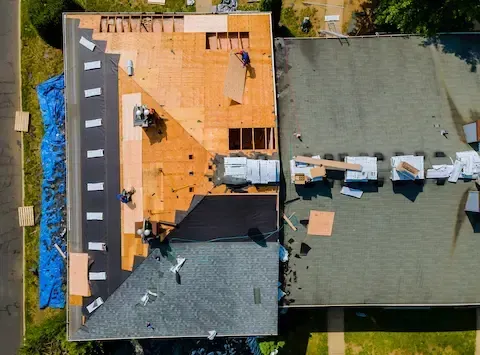
Complete Roof Replacement in Decatur AL Cost and Timeline
Complete roof replacement represents one of the most significant home improvement investments you'll make in Decatur, Alabama. The process involves removing your existing roofing materials down to the decking, inspecting and repairing the structural foundation, and installing an entirely new roofing system. Understanding the costs, timeline, and steps involved helps you make informed decisions and properly budget for this essential home maintenance project.
Understanding Complete Roof Replacement Costs in Decatur
Roof replacement costs in Decatur vary significantly based on your home's size, chosen materials, and structural complexity. For a typical 1,500 square foot home, expect to invest between $8,000 and $15,000 for asphalt shingles, while premium materials like architectural shingles or metal roofing can range from $12,000 to $25,000 or more.
Material selection drives the largest portion of your investment. Basic three-tab asphalt shingles cost approximately $3.50 to $5.50 per square foot installed, while architectural shingles range from $4.50 to $7.00 per square foot. Metal roofing systems, increasingly popular in North Alabama due to their durability against severe weather, typically cost $7.00 to $12.00 per square foot installed.
Labor costs in the Tennessee Valley region generally account for 60-70% of your total project expense. Decatur's competitive roofing market means you'll find reasonable rates, but quality workmanship commands appropriate pricing. Professional installation includes tear-off, disposal, decking inspection and repair, underlayment installation, and complete cleanup.
Additional costs include permits ($50-$150 in Morgan County), disposal fees for old materials ($300-$800), and potential structural repairs discovered during tear-off. Chimney flashing, vent installations, and gutter work often add $500-$2,000 to your project total.
Project Timeline and Weather Considerations
Complete roof replacement in Decatur typically requires 2-5 days for average-sized homes, depending on complexity and weather conditions. Spring and fall represent optimal installation seasons, offering mild temperatures and reduced precipitation risks. Summer installations are possible but require early morning starts to avoid afternoon heat, while winter work depends heavily on temperature and precipitation patterns.
Alabama's unpredictable weather patterns can extend your timeline. Contractors must halt work during rain, high winds, or when temperatures drop below manufacturer specifications for certain materials. Smart scheduling accounts for weather delays, particularly during tornado season from March through May.
The tear-off phase typically completes in one day, leaving your home temporarily exposed. Quality contractors prioritize weather monitoring and use temporary coverings when necessary. Your project timeline begins with material delivery, progresses through tear-off and inspection, then continues with installation phases that should proceed efficiently barring weather interruptions.
Permit processing in Decatur usually takes 1-3 business days, so your contractor should file applications before scheduling begins. Final inspections occur within 24-48 hours of completion, ensuring your new roof meets all local building codes and manufacturer specifications.
Material Selection for Alabama Climate
Alabama's humid subtropical climate, severe thunderstorms, and occasional tornado activity demand specific roofing material considerations. Your choice impacts both initial investment and long-term performance, making material selection crucial for value optimization.
Asphalt shingles remain the most popular choice due to cost-effectiveness and adequate performance. Architectural shingles offer superior wind resistance ratings, important given Decatur's storm exposure. Look for shingles rated for winds up to 130 mph, with proper installation techniques that include adequate nailing patterns and edge securement.
Metal roofing gains popularity across North Alabama for excellent storm resistance and energy efficiency benefits. Standing seam systems perform exceptionally well against high winds and driving rain, while also reflecting summer heat to reduce cooling costs. Though initially more expensive, metal roofing often provides better long-term value through durability and energy savings.
Synthetic and composite materials offer premium alternatives with enhanced durability and aesthetic options. These products resist impact damage from hail, common in Alabama springs, while maintaining appearance longer than traditional materials. Consider these options if your budget allows and you prioritize long-term performance over initial cost savings.
Proper underlayment selection proves equally important. Ice and water shield protection, while less critical than in northern climates, still provides valuable protection around penetrations and vulnerable areas. Quality contractors recommend enhanced underlayment systems for optimal performance in Alabama's challenging weather conditions.
Structural Considerations and Inspection Process
Complete roof replacement provides the only opportunity to thoroughly inspect and address structural issues hidden beneath existing materials. This inspection phase often reveals problems that impact both safety and long-term performance, making it a critical component of the replacement process.
Decking inspection reveals water damage, rot, or structural inadequacies that require attention before new material installation. Alabama's humidity and occasional severe weather can cause deterioration that's invisible from ground level. Professional contractors evaluate sheathing condition, checking for soft spots, delamination, or inadequate thickness that compromises nail holding power.
Ventilation assessment ensures adequate airflow to prevent moisture buildup and ice dam formation during occasional winter weather. Proper ridge vents, soffit vents, and attic ventilation protect your investment and maintain energy efficiency. Many older Decatur homes lack adequate ventilation, making replacement an ideal time for upgrades.
Flashing inspection around chimneys, vents, and wall intersections prevents future leak problems. These vulnerable areas require careful attention during replacement, often involving custom fabrication and precise installation. Quality workmanship at these critical points prevents the majority of future leak issues.
Load calculations verify that your home's structure can support new materials, particularly important when upgrading to heavier options like tile or metal roofing. Professional contractors understand local building codes and ensure compliance with current standards, protecting both your investment and family safety.
Professional Installation vs DIY Considerations
Complete roof replacement demands professional expertise due to safety risks, technical requirements, and warranty considerations. While some homeowners consider DIY approaches to save money, the complexity and risks associated with Roof Replacement typically outweigh potential savings.
Safety concerns represent the primary reason to hire professionals. Roofing work involves significant fall risks, heavy material handling, and power tool operation at dangerous heights. Professional contractors carry appropriate insurance, use proper safety equipment, and understand safe work practices that protect both workers and your property.
Technical expertise ensures proper installation that maximizes material performance and longevity. Professional contractors understand manufacturer specifications, local building codes, and installation techniques that prevent common problems. Improper installation can void warranties and create expensive problems requiring future correction.
Tool and equipment requirements for roof replacement exceed most homeowner capabilities. Professional-grade nail guns, safety equipment, material hoists, and disposal containers represent significant investments for one-time use. Contractors bring appropriate tools and expertise to use them effectively.
Warranty considerations favor professional installation. Most manufacturers require professional installation for full warranty coverage, while contractor workmanship warranties provide additional protection. These warranties often save thousands of dollars on future repairs or premature replacement needs.
Seasonal Planning and Weather Impacts
Timing your roof replacement project in Decatur requires understanding local weather patterns and seasonal contractor availability. Strategic planning helps avoid delays, reduces costs, and ensures optimal installation conditions for your investment.
Spring scheduling offers mild temperatures and manageable precipitation, but coincides with peak storm season requiring flexible scheduling. Many homeowners schedule spring replacements after discovering winter damage, creating high demand and potential scheduling delays. Book early and maintain schedule flexibility for weather-related adjustments.
Summer installations provide consistent weather windows but present heat challenges that affect both worker productivity and material handling. Early morning starts become essential, while afternoon work may be suspended during extreme heat. Some materials perform better in moderate temperatures, making summer timing less ideal for certain products.
Fall represents optimal timing for many replacement projects. Mild temperatures, reduced precipitation, and preparation for winter weather create ideal conditions. Contractor availability often improves after summer's peak season, potentially offering better scheduling flexibility and competitive pricing.
Winter work remains possible during favorable weather windows, though cold temperatures and precipitation create challenges. Some materials require minimum temperature thresholds, while shorter daylight hours reduce productive work time. Emergency replacements may necessitate winter scheduling, but elective projects benefit from seasonal timing optimization.
For insight into weather-related damage assessment that might necessitate replacement, review our storm damage walkthrough to understand how Alabama storms impact roofing systems and when replacement becomes necessary versus repair options.
Financing and Investment Recovery
Complete roof replacement represents a substantial investment that requires careful financial planning and understanding of value recovery potential. Multiple financing options and long-term benefits help justify the expense while protecting your home's value and structural integrity.
Traditional financing options include home equity loans, lines of credit, and specialized roofing financing programs. Many contractors partner with lending institutions to offer competitive rates and streamlined approval processes. Compare interest rates, terms, and payment options to find arrangements that fit your budget and financial goals.
Insurance considerations may offset portions of replacement costs when storm damage necessitates the work. Document existing damage thoroughly and work with contractors experienced in insurance claims processing. Understand your policy coverage, deductibles, and claim procedures to maximize benefits while ensuring code compliance and quality installation.
Property value impacts from roof replacement typically recover 60-70% of investment costs immediately, with additional value protection over time. New roofing systems enhance curb appeal, provide buyer confidence, and eliminate negotiation concerns during future sales. Energy efficiency improvements from modern materials may also reduce long-term operating costs.
Long-term cost savings include reduced maintenance expenses, improved energy efficiency, and extended replacement intervals. For a material by material breakdown see roof replacement cost in Decatur AL by material type, and how many days a replacement takes start to finish covers the scheduling side. Quality materials and professional installation can provide 20-30 years of reliable performance, spreading your investment across decades of protection and peace of mind.
