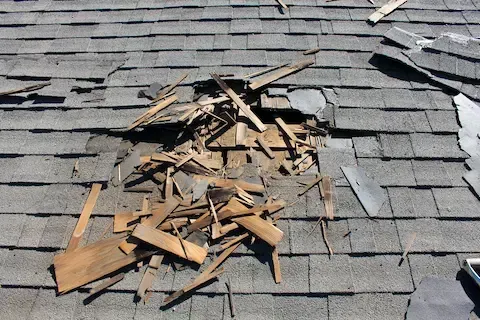
Decatur AL Storm Damage Roofing After Tornado or Hail
Understanding Storm Damage Risks in Decatur Alabama
Decatur homeowners face significant roofing challenges during Alabama's severe weather seasons. Located in the Tennessee Valley, your property sits in a region where tornado activity and destructive hailstorms create ongoing threats to residential roofing systems. The combination of geographical positioning and seasonal weather patterns makes storm damage assessment and prompt repair essential for protecting your investment.
Storm damage manifests in various forms across Decatur neighborhoods. Wind damage from tornadoes can lift entire sections of roofing materials, while hail creates punctures, cracks, and granule loss that compromise your roof's protective barrier. These weather events often occur with little warning, leaving homeowners scrambling to secure emergency repairs and document damage for insurance purposes.
Professional Storm Damage Roofing assessment becomes critical following any severe weather event. Visible damage represents only part of the problem, as structural issues, compromised flashing, and damaged underlayment often remain hidden until water intrusion occurs. Understanding these risks helps you respond appropriately when storms threaten your Decatur property.
Immediate Post-Storm Safety and Assessment
Your safety takes priority over property damage assessment following severe weather events. Never attempt roof inspection during active storms or when standing water creates electrical hazards around your property. Wait for weather conditions to stabilize completely before conducting any exterior evaluation of storm damage.
Begin your assessment from ground level using binoculars to examine visible roofing surfaces. Look for missing or damaged shingles, exposed underlayment, and debris accumulation in gutters or on roof surfaces. Document everything with photographs from multiple angles, as insurance adjusters will require comprehensive visual evidence of storm-related damage.
Interior inspection reveals water intrusion signs that indicate compromised roofing systems. Check ceilings, walls, and attic spaces for water stains, dampness, or active leaks. Pay attention to areas around chimneys, skylights, and roof penetrations where storm damage commonly creates entry points for moisture.
Contact emergency services if you discover structural damage that threatens occupant safety. Significant tornado damage may require temporary evacuation until professional engineers can evaluate structural integrity. Document all safety concerns for insurance purposes while prioritizing immediate protection of life and property.
Professional Damage Assessment Process
Professional roofing contractors provide comprehensive storm damage evaluation that exceeds typical homeowner capabilities. These specialists identify subtle damage indicators that untrained observers commonly miss, including compromised flashing, loosened fasteners, and hairline cracks that will worsen over time without proper repair.
Thermal imaging technology reveals moisture intrusion patterns that remain invisible during standard visual inspection. Professional assessors use these tools to map water penetration routes and identify areas where storm damage has compromised your roof's weather barrier. This detailed analysis supports insurance claims while ensuring complete repair coverage.
Structural engineers may require involvement when tornado damage affects load-bearing components or when extensive hail damage compromises multiple roofing layers. These professionals evaluate whether repair or complete replacement provides the most appropriate solution for your specific damage situation.
Professional assessment reports include detailed damage catalogs with photographic evidence, repair recommendations, and cost estimates that insurance companies require for claim processing. These comprehensive documents streamline the claims process while ensuring all storm damage receives proper attention during repair work.
Insurance Claim Filing and Documentation
Contact your insurance company immediately following storm damage discovery, even if damage appears minimal. Many policies include time limits for reporting storm damage, and delayed notification can complicate or invalidate your claim. Provide basic damage information during initial contact while emphasizing the need for prompt adjuster assignment.
Photographic documentation forms the foundation of successful insurance claims for storm damage. Capture wide-angle shots showing overall property damage, then focus on specific areas where tornado winds or hail created visible impact. Include reference objects in photographs to demonstrate scale and severity of documented damage.
Maintain detailed records of all storm damage communications with insurance representatives. Document names, dates, and conversation summaries for every interaction related to your claim. Request written confirmation of coverage decisions and repair authorizations to prevent disputes during the claims resolution process.
Temporary protective measures prevent additional damage while awaiting insurance approval for permanent repairs. Most policies require homeowners to mitigate ongoing damage through reasonable protective steps, such as emergency tarping or temporary patching. Keep receipts for all emergency materials and labor costs for potential reimbursement.
Emergency Repair and Temporary Protection
Emergency tarping provides immediate protection against weather exposure following tornado or hail damage. Professional installation ensures proper water shedding and secure attachment that withstands additional wind exposure. Avoid attempting emergency roof work without proper safety equipment and experience, as post-storm conditions often include unstable surfaces and hidden hazards.
Board up broken windows and doors to prevent rain intrusion and secure your property against unauthorized entry. Storm damage often creates multiple entry points that require immediate attention to prevent theft or additional weather damage. Use exterior-grade plywood and appropriate fasteners for temporary protection that will withstand continued weather exposure.
Interior water extraction prevents mold growth and structural damage when storm damage allows moisture intrusion. Professional water removal services include moisture monitoring, dehumidification, and antimicrobial treatments that protect your property during the repair waiting period. Document all emergency services for insurance reimbursement purposes.
Utility isolation may become necessary when storm damage affects electrical, gas, or water systems. Contact appropriate utility companies to report damage and request service disconnection if safety concerns exist. Never attempt repairs to damaged utility connections without professional assistance and proper safety clearances.
Repair vs Replacement Decision Making
Age and condition of your existing roofing system influence repair versus replacement decisions following storm damage. Roofs approaching the end of their expected lifespan may benefit from complete replacement rather than extensive repairs, particularly when insurance coverage supports full replacement costs.
Matching existing materials becomes challenging when storm damage affects older roofing systems with discontinued products. Color variations and material differences may create aesthetic concerns that influence homeowner preferences for complete replacement over piecemeal repairs using non-matching materials.
Building code updates may require system upgrades during major repair work that exceed simple damage restoration. These code compliance requirements can shift repair costs closer to replacement costs, making full replacement the more economical choice for extensive storm damage situations.
Energy efficiency improvements often justify replacement decisions when storm damage affects significant portions of aging roofing systems. Modern materials and installation techniques provide improved weather resistance and energy performance that offset higher initial replacement costs through long-term savings and improved storm resilience.
Contractor Selection and Project Management
Choose contractors with specific storm damage experience and proper licensing for Alabama roofing work. Verify insurance coverage, bonding status, and local reputation through references from recent storm damage projects. Avoid door-to-door solicitors who appear immediately after storms without established local presence or verifiable credentials.
Request detailed written estimates that specify materials, labor, and timeline for storm damage repairs. Compare multiple contractor proposals to ensure fair pricing and appropriate scope coverage for identified damage. Avoid contractors requesting full payment upfront or pressuring immediate contract signing without adequate consideration time.
Project scheduling requires coordination with insurance adjusters, material suppliers, and local permit offices. Experienced storm damage contractors understand these coordination requirements and can navigate potential delays while keeping your project moving toward completion. Clear communication about timeline expectations prevents misunderstandings during the repair process.
Quality control monitoring ensures repairs meet professional standards and insurance requirements. Regular progress inspections identify potential issues before they affect final project outcomes. Maintain open communication with your contractor throughout the repair process to address concerns promptly and ensure satisfactory project completion.
Prevention and Future Storm Preparedness
Regular roof maintenance reduces vulnerability to storm damage through early identification and correction of potential weak points. Annual inspections by qualified professionals identify loose fasteners, damaged flashing, and deteriorated sealants that increase storm damage risk during severe weather events.
Impact-resistant roofing materials provide enhanced protection against hail damage while potentially qualifying for insurance premium discounts. These specialized materials undergo testing to demonstrate superior performance during simulated hail impacts, making them valuable investments for Decatur homeowners in high-risk areas.
Emergency supply preparation includes materials and tools needed for immediate post-storm protective measures. Maintain supplies of tarps, fasteners, and basic tools that enable rapid response to storm damage while awaiting professional repair services. Include emergency contact information for local contractors and insurance representatives in your preparedness kit.
Landscape management reduces flying debris risks during tornado and severe wind events. Remove dead trees and limbs that could impact your roof during storms. Secure outdoor furniture and equipment that could become projectiles in high winds. Strategic landscaping choices can provide wind protection while minimizing debris generation during severe weather.
Understanding Decatur's specific storm patterns and seasonal risks helps you prepare appropriately for likely damage scenarios. Before your adjuster arrives, work through what to photograph and document for a hail claim, and see how long storm damage roof repair actually takes in Decatur so you can plan around the timeline. Historical weather data indicates peak tornado season and typical hail frequency, allowing targeted preparation during highest-risk periods. Monitor weather forecasts actively during severe weather seasons to enable proactive protective measures when storms threaten your area.
