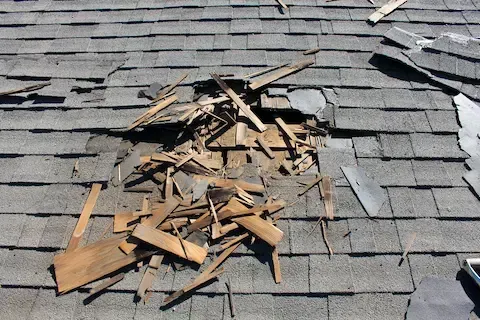
Hail Damage Roof Claims in Decatur AL Documentation
Documenting hail damage for roof claims in Decatur AL requires immediate action after storms pass through North Alabama. Take photos of damaged shingles, gutters, and debris before cleanup begins. Record the storm date, contact your insurance company within 48 hours, and gather weather reports from the National Weather Service. Proper documentation protects your claim value and speeds the adjustment process when severe weather impacts Morgan County properties.
What photos should you take immediately after hail damage?
Start with wide-angle shots showing your entire roof from multiple ground positions around your Decatur property. Capture close-up images of individual damaged shingles, focusing on granule loss, exposed mat, and cracked areas. Document dented gutters, downspouts, and any hail stones remaining on your roof or in gutters.
Take pictures of your home's exterior walls, windows, and siding for comprehensive storm damage evidence. Include shots of damaged outdoor equipment, vehicles, and landscaping that demonstrate hail size and impact severity. Date-stamp all photos or use your phone's automatic dating feature to establish the timeline.
Our storm damage walkthrough explains additional inspection techniques for identifying less obvious damage patterns that insurance adjusters evaluate during claims processing.
How do you gather weather documentation for your claim?
Visit the National Weather Service Birmingham office website to download official hail reports for Morgan County on your storm date. Print radar images showing storm intensity and hail core movement across Decatur neighborhoods. Request certified weather statements if your claim exceeds significant value thresholds.
Contact Huntsville International Airport weather station for additional meteorological data supporting your claim timeline. Local news stations often archive storm footage and damage reports that strengthen your documentation package. Save screenshots of weather apps showing hail warnings and severe thunderstorm alerts for your address.
What should you document before the adjuster arrives?
Create a detailed inventory of damaged roofing components including missing shingles, bent flashing, and compromised ridge caps. Measure and photograph any interior water damage, ceiling stains, or attic moisture intrusion resulting from the storm. Document temporary repairs you made to prevent further damage, keeping all receipts.
Gather your insurance policy documents, previous roof maintenance records, and any recent inspection reports. List all damaged outdoor property including HVAC units, satellite dishes, and deck railings that sustained hail impact. Prepare questions about coverage limits, deductible amounts, and replacement versus repair options.
Many Decatur homeowners benefit from professional Storm Damage Roofing assessments before adjuster meetings to identify damage that untrained eyes might miss during initial evaluations.
How do you protect your claim during the adjustment process?
Schedule your adjuster meeting promptly while storm damage remains visible and weather conditions stay favorable for roof inspection. Accompany the adjuster during their evaluation, pointing out damage you documented and asking questions about their assessment methods. Take notes during the inspection and request copies of their damage estimates.
Challenge any overlooked damage politely but persistently, referring to your photographic evidence and professional assessments. Request detailed explanations for any denied items and ask about supplemental claims if additional damage appears during repair work. Document all conversations with claim representatives including dates, names, and discussion summaries.
What common documentation mistakes reduce claim settlements?
Waiting too long to report damage allows normal wear to blur storm impact evidence, reducing your claim's credibility. Failing to document pre-existing conditions gives adjusters reasons to attribute current damage to maintenance neglect rather than weather events. Missing interior damage documentation leaves money on the table when water intrusion accompanies hail impact.
Cleaning up debris too quickly removes important evidence of hail size and impact patterns. Accepting the first settlement offer without professional review often leaves thousands of dollars unclaimed. Poor quality photos that don't clearly show damage details weaken your position during claim negotiations.
How does Alabama weather affect documentation timing?
North Alabama's severe weather season runs from March through June, creating compressed timelines for multiple storm damage claims throughout Morgan County. Spring storms often arrive in sequences, making individual storm damage identification challenging without precise documentation dates. High humidity accelerates water damage progression, making immediate interior documentation critical.
Summer heat can hide hail damage as thermal expansion masks cracked shingles and compromised seals. Document damage during cooler morning hours when thermal effects don't obscure impact evidence. Alabama's tornado season overlaps hail season, potentially complicating damage attribution between different storm types.
When should you involve professional damage assessment?
Complex roof systems with multiple levels, dormers, and architectural features require professional evaluation to identify all damaged components. Steep-pitched roofs and multi-story homes present safety hazards that trained professionals handle more safely than homeowners. Insurance adjusters sometimes miss subtle damage that experienced roofers recognize as storm-related problems.
High-value claims benefit from independent professional assessments that provide detailed damage reports supporting your insurance claim. When initial settlements seem insufficient compared to repair estimates, professional documentation often reveals additional covered damage. Decatur's historic homes may have unique roofing materials requiring specialized knowledge for proper damage assessment and documentation.
