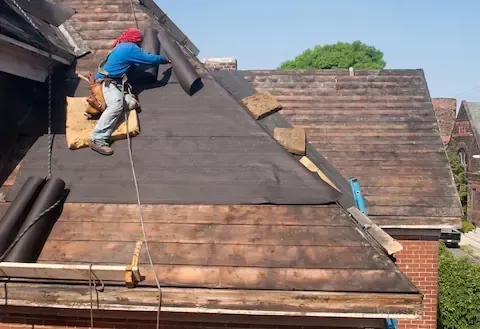
Emergency Roof Tarping in Decatur AL After Storms Hit
Emergency roof tarping in Decatur AL provides immediate protection when storms damage your roof through wind, hail, or fallen trees. Professional tarping involves securing heavy-duty waterproof material over damaged sections using proper fastening techniques that won't cause additional harm to compromised roofing materials. Most Decatur homeowners should contact emergency roofing services rather than attempting DIY tarping, as improper installation can worsen damage and create safety hazards during already dangerous weather conditions.
What constitutes a roofing emergency requiring immediate tarping?
Severe weather events in Decatur frequently create roofing emergencies that demand immediate tarping response. Wind damage from thunderstorms and tornadoes can lift shingles, tear off sections of roofing material, or create gaps that allow water penetration. Hail damage may not appear immediately obvious but can compromise shingle integrity and underlayment protection.
Fallen trees present the most urgent tarping scenarios, as they often create large openings in roof structures. These situations require careful assessment before tarping begins, as structural damage may make certain roof areas unsafe to access. Water intrusion through any opening can rapidly escalate into interior damage affecting insulation, drywall, flooring, and personal belongings.
Missing or severely damaged shingles also warrant emergency tarping, particularly when weather forecasts predict additional precipitation. Even small openings can channel significant water volumes into your home's interior spaces during Alabama's frequent thunderstorms.
How do you safely assess storm damage before tarping?
Ground-level inspection should always precede any roof access attempts in Decatur. Use binoculars to examine visible damage from your yard, looking for missing shingles, exposed underlayment, or obvious punctures in roofing materials. Document damage with photographs from multiple angles for insurance purposes.
Interior inspection reveals water intrusion signs that may not be visible from outside. Check attic spaces for daylight penetration, water stains, or active leaks. Examine ceiling areas throughout your home for discoloration, sagging, or moisture indicators.
Professional assessment becomes essential when damage appears extensive or when structural integrity seems compromised. Experienced roofers in Decatur understand local building codes and can identify hidden damage that untrained eyes might miss. They also possess proper safety equipment and insurance coverage for roof access work.
What materials and tools are needed for emergency tarping?
Heavy-duty polyethylene tarps rated for outdoor use provide the primary waterproof barrier. Blue poly tarps commonly available at hardware stores offer temporary protection, but professional-grade materials last longer and resist wind uplift more effectively. Tarp size should extend at least two feet beyond the damaged area on all sides.
Fastening materials include roofing nails, screws, or specialized tarp fasteners designed to penetrate roofing materials without causing excessive damage. Wooden strips or battens help distribute fastening loads and prevent tarp tearing in high winds. Avoid using materials that create additional penetrations in undamaged roofing areas.
Safety equipment requirements include non-slip footwear, safety harnesses, and properly rated ladders. Professional roofers carry specialized equipment that allows safe access during challenging weather conditions that make DIY attempts extremely dangerous.
How should you properly install emergency roof tarps?
Tarp positioning begins with ensuring adequate coverage that extends beyond damaged areas onto sound roofing materials. The tarp should overlap the roof peak if damage extends to ridge areas, allowing proper water shedding down both roof slopes. Proper orientation prevents water from pooling or flowing under tarp edges.
Fastening techniques require strategic placement that balances holding power with minimal additional roof damage. Professional installers use methods that work with existing roofing systems rather than against them. Roof Repair specialists understand which fastening approaches work best for different roofing materials and damage patterns.
Edge sealing prevents wind uplift and water intrusion along tarp perimeters. This involves careful attention to how tarp material interfaces with existing roofing components, gutters, and structural elements. Improper sealing can create wind sails that tear tarps loose during subsequent storms.
When should you contact emergency roofing services instead of DIY tarping?
Structural damage scenarios always require professional intervention in Decatur. When fallen trees, large hail, or severe wind damage compromises roof framing, rafters, or decking materials, the roof surface may not support additional weight safely. Professional roofers can assess structural integrity and implement appropriate safety measures.
Steep roof slopes, wet conditions, or ongoing weather threats make DIY tarping extremely hazardous. Alabama weather can change rapidly, creating dangerous conditions even for experienced professionals. Emergency roofing services maintain proper insurance coverage and safety protocols for working in challenging conditions.
Large damage areas exceeding typical tarp sizes require professional coordination and specialized materials. Multiple tarps must be properly overlapped and sealed to prevent water intrusion, a process requiring experience and appropriate tools. Our Decatur AL repair overview explains how professional services coordinate emergency response with permanent repair planning.
What are common mistakes that worsen roof damage during emergency tarping?
Over-fastening represents a frequent error that creates unnecessary roof penetrations. Each additional hole provides a potential water entry point, and excessive fastening can split roofing materials or create stress concentrations that promote further damage. Professional tarping uses minimal fastening points positioned strategically for maximum holding power.
Inadequate tarp sizing allows water intrusion around damage perimeters. Small tarps may appear sufficient but fail to account for wind-driven rain that can penetrate gaps between tarp edges and sound roofing materials. Proper coverage requires understanding water flow patterns across roof surfaces during storms.
Wrong material choices create problems ranging from rapid deterioration to inadequate weather protection. Standard plastic sheeting lacks the durability and UV resistance needed for emergency applications that may remain in place for days or weeks while permanent repairs are coordinated.
How do local Decatur conditions affect emergency roof tarping decisions?
Decatur's location in North Alabama subjects the area to diverse weather patterns that influence tarping strategies. Severe thunderstorms with high winds and heavy rainfall occur throughout spring and summer months, requiring tarping materials and techniques that withstand repeated weather assaults.
Local building codes and permit requirements may affect emergency tarping approaches, particularly for extensive damage situations. Understanding these requirements helps ensure that temporary measures don't complicate permanent repair processes or insurance claim procedures.
Regional contractor availability during major storm events can be limited as demand surges across the Tennessee Valley area. Establishing relationships with reputable Decatur roofing services before emergencies occur ensures faster response times when immediate tarping becomes necessary.
Emergency roof tarping provides crucial immediate protection, but proper technique and safety considerations make professional services the wisest choice for most Decatur homeowners facing storm damage scenarios.
