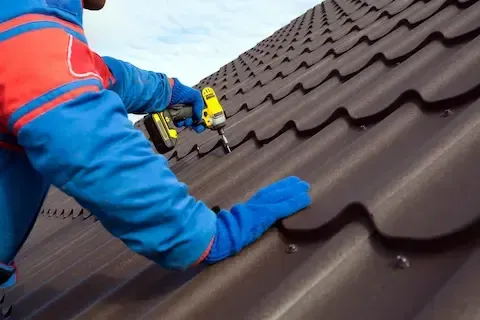
Standing Seam Metal Roofs in Decatur AL Heat Performance
Standing seam metal roofs excel in Decatur's hot summers by reflecting solar radiation and reducing attic temperatures by 10-20 degrees compared to asphalt shingles. The raised seams create airflow channels that enhance cooling, while reflective coatings can boost energy efficiency by up to 25%. Proper installation with adequate ventilation maximizes these heat performance benefits in Alabama's climate.
How do standing seam metal roofs handle Decatur's summer heat?
Standing seam metal roofs perform exceptionally well in Decatur's intense summer temperatures through several key mechanisms. The metal panels reflect up to 70% of solar radiation before it can penetrate your home, compared to traditional asphalt shingles that absorb most heat. This reflective property keeps your attic significantly cooler during those brutal July and August afternoons when temperatures soar past 95 degrees.
The raised seam design creates natural ventilation channels that allow hot air to escape more efficiently. As temperatures rise, the metal expands slightly, and the seam configuration helps maintain proper airflow underneath the roofing system. This continuous air movement prevents heat buildup that commonly occurs with other roofing materials.
Local contractors in Decatur have observed that homes with standing seam metal roofs typically see 15-30% reductions in cooling costs during peak summer months. The thermal mass of quality metal roofing also helps moderate temperature swings, keeping your home more comfortable throughout the day and night cycles common in North Alabama.
Which coating options maximize heat reflection in Alabama?
Cool roof coatings significantly enhance the heat performance of standing seam metal roofs in Alabama's climate. PVDF (polyvinylidene fluoride) coatings offer superior durability and maintain their reflective properties for decades, making them ideal for Metal Roofing applications in the region.
Light-colored finishes perform best for heat reflection, with white and light gray coatings achieving Solar Reflectance Index (SRI) values above 80. These specialized coatings can reduce surface temperatures by 50-80 degrees compared to dark, uncoated metal. For homeowners concerned about aesthetics, newer technology allows for darker colors that still maintain excellent reflective properties.
Energy Star qualified coatings are particularly valuable in Alabama, where the hot, humid climate puts constant stress on roofing systems. These coatings not only reflect heat but also resist fading, chalking, and thermal cycling damage that can reduce long-term performance. The investment in premium coatings typically pays for itself within 3-5 years through reduced energy costs.
What panel gauge and thickness work best for heat performance?
Panel thickness directly impacts thermal performance and structural integrity in Decatur's demanding climate. 24-gauge steel strikes the optimal balance between cost and performance for most residential applications, providing sufficient thermal mass to moderate temperature fluctuations while maintaining structural stability during thermal expansion and contraction cycles.
Thicker 22-gauge panels offer enhanced thermal performance and longer lifespan, particularly valuable for homes with large roof areas or complex geometries. The additional material mass helps buffer against rapid temperature changes that can stress roofing systems and reduce efficiency. However, the increased weight requires careful structural evaluation during installation.
Aluminum standing seam panels, while more expensive, provide excellent heat reflection and never rust. The lighter weight of aluminum allows for thicker profiles without structural concerns, and the material's natural properties make it highly effective at dissipating heat quickly once the sun sets.
How does proper installation affect heat management?
Installation quality dramatically affects heat performance, particularly in ventilation design and thermal bridging prevention. Proper underlayment selection creates an additional thermal barrier while allowing moisture to escape, preventing condensation issues common in Alabama's humid climate.
Thermal clips and fastening systems must accommodate metal's expansion and contraction without creating heat transfer points. Quality installers in the Decatur area use specialized clips that maintain the thermal break between the metal panels and roof deck, preventing unwanted heat transfer that can reduce overall system efficiency.
Adequate ridge and soffit ventilation is crucial for maximizing the natural convection cooling effect of standing seam systems. The ventilation design should account for Alabama's high humidity levels and frequent afternoon thunderstorms that can impact airflow patterns around your roof system.
What energy savings can homeowners expect?
Homeowners in Decatur typically see immediate reductions in cooling costs after installing standing seam metal roofs. Most report 20-35% decreases in summer electricity bills, with the greatest savings occurring during peak afternoon hours when traditional roofing systems transfer the most heat into living spaces.
The energy savings extend beyond just cooling costs. Metal roofs help maintain more consistent indoor temperatures, reducing the workload on HVAC systems and extending equipment lifespan. Many local homeowners find their air conditioning systems cycle less frequently, leading to improved comfort and reduced maintenance needs.
Long-term savings accumulate through reduced maintenance requirements and extended roof lifespan. While initial installation costs run higher than traditional materials, the combination of energy savings, durability, and minimal maintenance typically results in positive return on investment within 8-12 years. For more comprehensive information about metal roofing benefits and installation considerations, consult the Decatur AL metal roofing guide.
How do local weather patterns affect performance?
Decatur's weather patterns create unique challenges and advantages for standing seam metal roof performance. The area's frequent afternoon thunderstorms provide natural cooling through rain evaporation, which metal roofs facilitate more effectively than absorption-based materials. The quick temperature drops during storm fronts demonstrate metal roofing's ability to rapidly adjust to changing conditions.
High humidity levels throughout much of the year require careful attention to condensation control. Quality standing seam installations include vapor barriers and ventilation systems designed specifically for Alabama's moisture-rich environment. The metal's ability to shed moisture quickly prevents the prolonged dampness that can affect other roofing materials.
Winter performance also contributes to year-round efficiency, as the same reflective properties that reject summer heat help retain interior warmth during cooler months. The thermal mass effect moderates temperature swings during Alabama's variable winter weather, contributing to consistent energy performance throughout the year.
