How Long Does a Metal Roof Last in Decatur AL Climate
A metal roof lasts 40 to 70 years in Decatur, AL when it is properly installed with the right underlayment, fasteners, and panel profile for the local climate. Standard asphalt shingles last 15 to 25 years in the same conditions. Decatur's high humidity, summer heat, and severe storm seasons accelerate corrosion and fastener fatigue on poorly specified systems. The right metal type, coating, and installation method are what separate a 40-year roof from a 70-year roof in Morgan County's climate.
How Does Decatur's Climate Affect Metal Roof Lifespan?
North Alabama's climate creates three primary stressors for metal roofing: persistent humidity, thermal cycling, and storm impact. Decatur sits in a region that averages over 55 inches of rainfall per year, meaning moisture management is constant, not seasonal. High humidity accelerates oxidation on bare metal and degrades underlayment faster than in drier climates. Summer temperatures in Decatur regularly exceed 95°F, causing panels to expand and contract daily. Over years, this thermal movement loosens exposed fasteners and opens seams. Fall and spring bring severe thunderstorms, hail events, and occasional high-wind episodes that test every connection point on the roof system. A metal roof specified for Decatur must account for all three stressors, not just one.
What Metal Types Last Longest in Alabama Humidity?
Material selection is the single biggest variable in metal roof lifespan Decatur AL homeowners control before installation begins. Here is how the common options compare in Alabama's humid subtropical conditions:
- Galvalume steel with Kynar coating: 50 to 70-year lifespan. The industry benchmark for humid southern climates. Kynar 500 paint systems resist UV fade and chalking better than standard polyester coatings.
- Aluminum: 40 to 60 years. Naturally corrosion-resistant, making it well-suited to Decatur's rainfall levels. Lighter than steel, which reduces structural load but also reduces dent resistance in hail events.
- Galvanized steel without premium coating: 25 to 40 years. Acceptable budget option but requires more maintenance in humid climates. Zinc layer depletes faster when standing water or leaf debris accumulates on the panel surface.
- Copper and zinc: 70 to 100 years. Rarely used in residential applications due to cost, but nearly impervious to Alabama's climate conditions when properly detailed.
For most Decatur homeowners, Galvalume steel with a Kynar finish or a pre-painted aluminum panel offers the best balance of lifespan, cost, and storm performance. If you want a deeper look at your options, read the Decatur AL metal roofing guide before requesting quotes.
Does Panel Profile Affect How Long a Metal Roof Lasts?
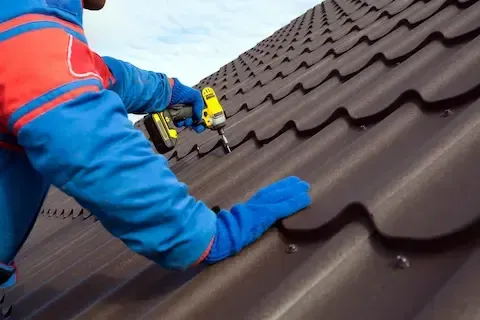
Yes, significantly. Standing seam panels outperform exposed-fastener panels in long-term durability because no fastener penetrates the panel face. In exposed-fastener systems, every screw is a potential entry point for water once the rubber washer degrades, typically in 10 to 15 years in Decatur's UV exposure. Standing seam panels lock together at the seam, hiding all fasteners beneath the panel overlap. This design eliminates the single most common failure mode in metal roofing systems used in Alabama. For a 40-plus-year lifespan expectation, standing seam is the technically superior choice. Exposed-fastener panels can still perform well for 25 to 35 years when installed correctly with quality fasteners and maintained with periodic re-torquing.
What Installation Factors Determine Lifespan in Decatur?
Even the best panel and coating will underperform if installation practices do not match Morgan County's climate demands. The most critical installation factors include:
- Underlayment selection: Self-adhering synthetic underlayment outperforms felt paper in Decatur's heat and humidity. It provides a secondary moisture barrier when panels experience condensation on the underside during Alabama's temperature swings.
- Ventilation: Metal roofs trap radiant heat without adequate attic ventilation. Poor ventilation raises attic temperatures, accelerating underlayment breakdown and shortening the effective life of the entire roof assembly.
- Fastener type and torque: Stainless steel or coated fasteners resist corrosion far longer than standard zinc fasteners in humid conditions. Over-torquing during installation compresses the washer immediately and leads to early seal failure.
- Panel-to-panel and panel-to-trim details: Ridge caps, valley flashing, and eave trim must be sealed and installed to manufacturer specification. Water intrusion at transitions, not panel failure, is the most common cause of premature system failure in Decatur area homes.
Working with a qualified local contractor who understands Alabama's specific requirements makes a measurable difference. For professional installation that accounts for these factors, explore your options through Metal Roofing services in Decatur.
How Does Decatur's Storm Season Impact Metal Roof Longevity?
Morgan County and the surrounding Tennessee Valley experience active severe weather seasons, particularly in spring. Hail events are the primary storm threat to metal roof longevity in this region. Aluminum panels dent more easily than steel in large hail but resist corrosion longer afterward. Galvalume steel panels with 26-gauge or heavier thickness resist hail denting better than 29-gauge panels commonly sold at entry-level price points. Wind uplift is also a concern. Metal roofs installed to meet or exceed Alabama's building code wind load requirements, currently 130 mph in most of Morgan County, will outlast systems installed only to minimum fastener schedules. Always confirm with your contractor that the panel and fastening system is engineered for local wind zone compliance.
What Maintenance Extends a Metal Roof's Life in Alabama?
Metal roofing requires less maintenance than asphalt, but not zero maintenance in Decatur's climate. Annual tasks that protect your investment include clearing debris from valleys and gutters to prevent standing water, inspecting trim and flashing sealants every three to five years, re-torquing exposed fasteners on screw-down systems after the first year, and checking for any paint chalking or scratches that expose bare metal to moisture. A simple annual inspection, especially after a major storm, catches small issues before they develop into moisture intrusion problems that shorten the system's overall lifespan.
