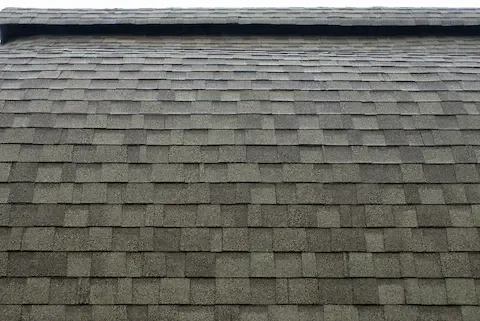
Summer Asphalt Shingle Heat in Decatur AL Granule Loss
Summer heat in Decatur, AL accelerates granule loss on asphalt shingles faster than most homeowners expect. The combination of intense UV exposure, high surface temperatures, and Alabama's humidity creates conditions where granules loosen, oxidation sets in, and shingles age years ahead of schedule. If you notice gritty material collecting in your gutters or downspout outlets between May and September, your roof is signaling early wear. Catching granule loss in its first stages gives you time to plan repairs or a full reroof before water intrusion becomes the bigger problem.
Why Does Summer Heat Cause Granule Loss on Asphalt Shingles?
Asphalt shingles are manufactured with a layer of mineral granules pressed into an asphalt-coated fiberglass mat. Those granules serve two purposes: UV protection for the asphalt layer underneath and fire resistance. When Decatur summer temperatures push roof surface temps above 150°F — which happens regularly on south-facing slopes from June through August — the asphalt binder softens. Softened binder releases granules more easily, especially when afternoon thunderstorms send cold rain onto a superheated surface. That thermal shock accelerates the bond failure between granule and asphalt, scattering granules into the drainage system with every rain event.
What Are the Warning Signs of Granule Loss on a Decatur Roof?
The earliest and most reliable indicator is granule accumulation in your gutters. After a summer storm, scoop a handful of debris from the gutter trough. If you find a significant concentration of gray, brown, or black grit mixed in with the leaf debris, your shingles are shedding. Additional warning signs include:
- Bald patches on shingles — visible from the ground as darker, shinier areas where granules have worn away completely
- Granule deposits at downspout outlets — grit collecting on the ground or in splash blocks below downspouts
- Surface cracking or curling at shingle edges — UV exposure accelerates once the protective granule layer thins
- Color inconsistency across the roof plane — uneven granule coverage shows as patchy coloration when viewed from the street
For the Decatur AL shingle overview covering product grades and material selection, that resource gives useful context for understanding what your existing shingles were built to handle.
How Does Alabama Humidity Compound the Heat Damage?
Morgan County's summer humidity rarely drops below 70 percent, even on clear days. High moisture levels create a secondary problem alongside heat: algae and moss growth. Both organisms establish themselves more easily on shingles where granule density has already dropped, because thinning granule coverage removes much of the copper and zinc blended into the mineral mix specifically to inhibit biological growth. Once algae streaking appears — those familiar dark vertical stains running down a roof slope — it traps additional moisture against the shingle surface, softening the mat and accelerating further granule loss. Heat and humidity in Decatur work as a feedback loop, not separate problems.
Is Granule Loss at the End of Shingle Life or Something Fixable?
The answer depends on when the loss started and how much coverage remains. Minor granule shedding during the first year after installation is normal — manufacturers call it factory surplus, and it does not indicate a defect. However, if your roof is more than eight to ten years old and you are finding consistent granule deposits after every summer storm in the Decatur area, that represents accelerated aging rather than normal break-in shedding. At that stage, targeted repairs extend service life temporarily but do not reverse the underlying oxidation of the asphalt layer. A licensed Asphalt Shingle Roofing contractor can perform a close-up inspection to determine whether remaining granule coverage is sufficient to protect the mat through another Alabama summer.
When Does Reroofing Make More Sense Than Repair?
Three conditions generally push the decision toward full replacement rather than patching in Decatur and the surrounding Morgan County area:
- Granule loss is widespread across multiple roof planes — isolated bald patches can be patched, but when multiple slopes show thinning simultaneously, the entire roof system is aging at the same rate
- The existing shingles are within five years of their rated lifespan — investing in repairs on a 25-year shingle that is already 20 years old rarely pencils out against a full reroof cost
- Decking damage is present below the shingle layer — granule loss that has progressed to mat exposure often allows moisture infiltration that softens the OSB or plywood decking underneath, requiring board replacement regardless
Summer is also a practical window for reroofing in north Alabama because extended dry stretches between the late-spring storm season and late-summer hurricane remnants give roofing crews consistent working conditions. Scheduling a replacement in July or August in Decatur rather than waiting for fall often means shorter lead times with local contractors.
What Should You Check in Your Gutters This Summer?
A simple seasonal inspection takes less than fifteen minutes and gives you real data on your shingle condition. Clean your gutters in early June before the peak heat season begins, then check them again after the first significant rain in July. Compare the two samples. If the July collection contains noticeably more grit, your shingles are shedding under summer stress. Repeat the check after any storm that brings heavy rain combined with high winds, since wind-driven rain increases the mechanical force stripping granules from softened asphalt. Decatur homeowners in established neighborhoods like Point Mallard area, Austinville, and Hartselle Road corridors frequently find that older subdivision builds from the late 1990s are now hitting the critical age window where this type of seasonal monitoring matters most.
Professional Inspection Timing for Decatur Homeowners
Schedule a professional roof inspection in late May before peak heat arrives, or immediately following any storm that drops large hail across Morgan County. Hail accelerates granule loss dramatically by fracturing the bond between individual granules and the asphalt mat on impact. Many Decatur homeowners delay post-storm inspections and miss the window to file insurance claims tied to a specific weather event. A documented inspection report shortly after the storm establishes the damage timeline. If granule loss has already progressed to mat exposure or cracking, that same report supports a replacement claim rather than a repair-only settlement.
