Asphalt Shingle Roofing in Decatur AL Installation Help
Understanding Asphalt Shingle Options for Alabama Homes
Asphalt shingle roofing remains the most popular choice for homeowners in Decatur AL due to its affordability, versatility, and proven performance in the Southeast climate. Your roofing project starts with understanding the three main categories available: 3-tab shingles, architectural shingles, and impact-resistant shingles. Each option offers distinct advantages depending on your budget, aesthetic preferences, and protection needs against Alabama's severe weather patterns.
3-tab shingles represent the most economical choice, featuring a flat appearance with uniform tabs that create clean horizontal lines across your roof. These shingles typically weigh 200-250 pounds per square and offer basic wind resistance ratings of 60-70 mph. While budget-friendly, they provide shorter lifespans of 15-20 years in Alabama's climate conditions.
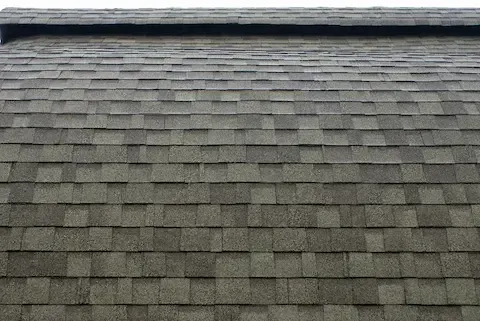
Architectural shingles, also called dimensional or laminate shingles, provide enhanced durability and visual appeal through their multi-layered construction. These shingles weigh 300-400 pounds per square and deliver superior wind resistance ratings of 110-130 mph, making them ideal for Decatur's storm-prone environment. Their dimensional appearance mimics wood shake or slate, adding significant curb appeal while lasting 25-30 years with proper maintenance.
Impact-resistant shingles feature specialized construction designed to withstand hail damage, a crucial consideration for Alabama homeowners. These Class 4 rated products often qualify for insurance discounts while providing the ultimate protection against severe weather events common in the Tennessee Valley region.
Climate Considerations for Decatur Installations
Decatur's humid subtropical climate presents unique challenges that influence shingle selection and installation techniques. Summer temperatures frequently exceed 90°F with high humidity levels, while winter conditions can include ice storms and occasional snow. Your roofing system must handle thermal cycling, moisture management, and severe weather events including tornadoes and hailstorms.
Heat resistance becomes critical during Alabama summers when roof surface temperatures can reach 150°F or higher. Quality asphalt shingles incorporate granule coatings that reflect UV rays and resist thermal degradation. Cool roof technology, available in many architectural shingle lines, can reduce energy costs by reflecting more solar energy and maintaining lower surface temperatures.
Moisture management requires particular attention in Alabama's humid environment. Proper ventilation systems, including ridge vents and soffit vents, prevent moisture accumulation that leads to premature shingle deterioration and structural damage. Asphalt Shingle Roofing installations must incorporate adequate vapor barriers and ensure proper attic ventilation to maintain optimal performance.
Storm resistance capabilities directly impact your investment protection and safety. Decatur experiences severe thunderstorms with damaging winds, large hail, and occasional tornadoes. High-performance architectural shingles with enhanced wind ratings and impact resistance provide superior protection compared to basic 3-tab options, justifying their higher initial cost through improved durability and potential insurance savings.
Professional Installation Process and Techniques
Proper installation begins with thorough roof deck preparation and inspection. Professional contractors examine the existing decking for damage, ensuring all panels are securely fastened and replacing any deteriorated sections. Proper deck preparation creates the foundation for long-lasting shingle performance and prevents future problems.
Underlayment installation follows industry best practices using synthetic materials that outperform traditional felt in Alabama's climate. High-quality synthetic underlayment provides superior water resistance, dimensional stability, and UV protection during extended exposure periods. Ice and water shield application around vulnerable areas including eaves, valleys, and penetrations creates additional moisture barriers.
Starter strip installation along roof edges provides proper shingle alignment and wind resistance. Quality starter strips feature adhesive strips that bond with the first course of shingles, creating a continuous seal against wind uplift and water infiltration. Proper starter strip installation significantly impacts overall system performance and warranty coverage.
Shingle installation follows manufacturer specifications for exposure, fastening patterns, and overlap requirements. Each shingle receives four to six fasteners depending on wind zone requirements and manufacturer recommendations. Proper nail placement in the nail zone ensures optimal holding power while avoiding damage to the shingle material.
Valley treatment requires special attention using either open valley or closed cut valley techniques. Open valleys utilize valley flashing with shingles cut to follow the valley line, while closed valleys feature shingles woven or cut across the valley. Professional installation ensures proper water flow and prevents leaks in these critical areas.
Ridge and hip installation completes the system using specially designed ridge cap shingles that provide weather protection and aesthetic continuity. Proper ridge ventilation integration maintains airflow while sealing against weather infiltration.
Common Installation Mistakes and Prevention
Improper nail placement represents one of the most frequent installation errors that compromises performance and warranty coverage. Nails placed too high miss the nail zone and reduce holding power, while low placement can create leak points. Overdriven nails tear through shingle material, while underdriven nails create raised spots that can catch wind.
Inadequate ventilation systems cause premature aging, ice dam formation, and moisture problems. Many installations lack sufficient intake ventilation at the eaves or exhaust ventilation at the ridge. Balanced ventilation systems require equal intake and exhaust areas positioned to create natural airflow patterns.
Flashing installation errors around chimneys, skylights, and other penetrations create leak-prone areas that can cause significant damage. Proper flashing installation requires understanding of water flow patterns and integration with shingle courses. Step flashing at sidewalls and counter flashing at masonry penetrations must follow established techniques to ensure long-term weather resistance.
Shingle alignment problems create visual issues and can affect weather resistance. Inconsistent exposure measurements result in wavy appearance and uneven weather protection. Professional installers use chalk lines and measurement techniques to maintain proper alignment throughout the installation process.
Local Building Code Compliance and Permits
Decatur building codes require permits for most roofing projects, with specific requirements varying based on project scope and property type. Replacement projects typically require permits when replacing more than 25% of the roof area, while repair projects may have different thresholds. Working with licensed contractors ensures proper permit acquisition and code compliance.
Wind resistance requirements in Alabama typically mandate shingles rated for 90+ mph winds, though specific requirements vary by location and building type. Many areas now require enhanced wind resistance ratings for new construction and major renovation projects. Impact resistance requirements may apply in designated hail zones or for insurance compliance.
Structural requirements address fastening schedules, decking specifications, and load calculations. Alabama's building codes specify minimum decking thickness, fastener requirements, and structural integrity standards. Professional contractors understand these requirements and ensure compliance throughout the installation process.
Energy efficiency standards increasingly influence roofing decisions through cool roof requirements and energy code compliance. While not universally mandated, energy-efficient roofing choices can provide utility rebates and long-term cost savings. For a comparison of energy efficient alternatives, read the Decatur AL metal roofing guide.
Warranty Coverage and Maintenance Requirements
Manufacturer warranties for asphalt shingles typically include material defect coverage ranging from 20 years for basic 3-tab products to lifetime warranties for premium architectural lines. Understanding warranty terms, limitations, and maintenance requirements helps protect your investment and ensures coverage validity.
Installation warranties from qualified contractors provide additional protection against workmanship defects. Reputable contractors offer comprehensive warranties covering installation errors, flashing problems, and related issues. Warranty length and coverage vary among contractors, making careful selection important for long-term protection.
Maintenance requirements for warranty compliance include regular inspections, prompt repair of minor issues, and proper gutter cleaning. Many warranties require professional inspections at specified intervals and documentation of maintenance activities. Neglecting maintenance requirements can void warranty coverage and lead to expensive problems.
Documentation requirements include maintaining installation records, warranty certificates, and maintenance logs. Proper documentation supports warranty claims and provides valuable information for future maintenance and replacement decisions.
Cost Factors and Investment Considerations
Material costs for asphalt shingle roofing in Decatur AL vary significantly based on shingle quality, style, and performance features. Basic 3-tab shingles cost $100-150 per square, while architectural shingles range from $150-300 per square. Premium impact-resistant and designer shingles can exceed $400 per square for high-end products.
Installation costs depend on roof complexity, existing condition, and contractor selection. Simple gable roofs with minimal penetrations cost less to install than complex rooflines with multiple valleys, dormers, and architectural features. Tear-off requirements, structural repairs, and permit costs add to total project expenses.
Long-term value considerations include energy efficiency, durability, and maintenance requirements. Higher-quality shingles often provide better value through extended lifespans, reduced maintenance needs, and energy savings. Impact-resistant shingles may qualify for insurance discounts that offset higher initial costs.
Financing options through contractors, manufacturers, and lending institutions make quality roofing systems accessible to more homeowners. Many manufacturers offer promotional financing programs with favorable terms for qualified buyers.
Professional Selection and Project Planning
Selecting qualified roofing contractors requires evaluating licensing, insurance, experience, and reputation within the Decatur community. Licensed contractors demonstrate commitment to professional standards and regulatory compliance. Comprehensive insurance coverage protects homeowners from liability and ensures coverage for potential problems.
Local experience matters significantly for Alabama roofing projects due to climate challenges and building code variations. Contractors familiar with Decatur's weather patterns, soil conditions, and architectural styles provide better results than those from distant markets.
Project planning involves material selection, timing considerations, and weather contingencies. Spring and fall typically offer optimal installation conditions, while summer heat and winter weather create challenges. Experienced contractors plan projects around weather patterns and maintain flexibility for unexpected conditions.
Quality control measures during installation include regular inspections, adherence to manufacturer specifications, and attention to detail throughout the process. To compare expected service life across grades see which shingle lasts longest in the Tennessee Valley, and Class 4 impact shingle picks for Decatur covers the hail rated options. Professional contractors implement quality control systems that ensure consistent results and customer satisfaction.
