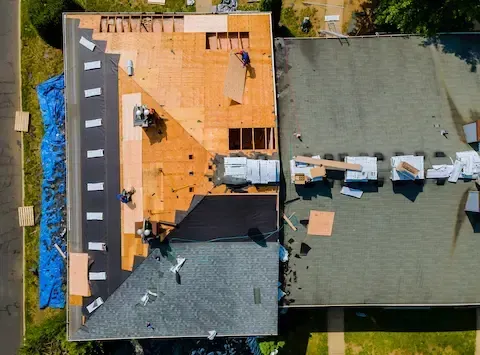
Summer Roof Replacement in Decatur AL Heat Worker Safety
Summer roof replacement in Decatur, AL is absolutely possible, but it requires careful planning around heat and humidity. Crews work in temperatures that regularly hit 95°F or higher, which creates real risks for both workers and materials. Reputable contractors schedule early morning starts, enforce mandatory hydration breaks, and monitor shingle adhesion timelines closely. If you are planning a roof replacement during Alabama's hottest months, understanding how a professional crew manages summer conditions helps you choose the right contractor and set the right expectations.
Why Does Summer Heat Make Roof Replacement Harder in Decatur?
Decatur sits in the Tennessee Valley, where summer combines intense solar radiation with high relative humidity. Roof surfaces exposed to direct sun can reach 150°F or more by midday, which is dangerous for anyone walking on them. Heat stress becomes a serious concern for workers hauling bundles of shingles up ladders and nailing them down for hours at a time. Beyond worker safety, asphalt shingles are sensitive to extreme heat during installation. They become pliable and can scuff, crease, or lose granules if handled roughly when the surface temperature is already near the material's thermal limit. Experienced Roof Replacement crews account for these material behaviors before the first shingle is unloaded.
How Do Contractors Schedule Summer Work to Protect Workers?
The most safety-conscious contractors in the Decatur area start jobs at or before sunrise. Getting several hours of productive work in before the peak heat of the day — typically between 11 AM and 3 PM — makes a significant difference in crew safety. Some crews use a split-shift approach, pausing work during the hottest window and resuming in the late afternoon when surface temperatures begin to drop. OSHA's heat illness prevention guidelines recommend that workers in high-heat environments have access to water every 15 to 20 minutes, shade during rest periods, and a buddy system so early symptoms of heat exhaustion are caught quickly. Look for contractors who have a written heat safety protocol and who discuss it openly when you ask.
What Hydration and Rest Practices Should Crews Follow?
Water is the single most important safety tool on a summer roofing job. Workers should be drinking at least one cup of cool water every 15 minutes rather than waiting until they feel thirsty, because thirst is already a sign of mild dehydration. Electrolyte drinks can supplement water during long shifts. Shaded rest areas on the ground — not just standing in the shadow of a chimney — allow core body temperature to recover between rotations. Reputable roofing operations in the Decatur, AL market will have a crew lead or foreman actively monitoring workers for signs of heat exhaustion, which include heavy sweating, pale skin, weakness, and nausea. Heat stroke, the more dangerous condition, can develop rapidly and requires emergency response.
How Does Summer Heat Affect Shingle Adhesion and Material Handling?
Asphalt shingles have a factory-applied adhesive strip that bonds to the shingle below once the surface reaches the right temperature. In summer, this bond can activate very quickly — which sounds convenient but creates problems if shingles are not laid perfectly aligned on the first attempt. Repositioning a shingle that has already started bonding in 95°F heat can tear the mat or displace granules. Installers need to work methodically and avoid leaving partial courses exposed to direct sun for extended periods. For read more context on timing and material specifications, check out the Decatur AL replacement guide, which covers how material choices intersect with Alabama's climate year-round.
Are There Advantages to Summer Roof Replacement in Alabama?
Despite the heat challenges, summer replacements do have real benefits. Warm temperatures help sealant strips activate properly, which means shingles achieve their designed wind resistance faster than they would in cooler weather. Alabama's summer months also tend to have more predictable day-to-day weather patterns in the morning hours, allowing crews to plan dry windows reliably. Contractor availability can be higher in summer than during storm season, when emergency repairs consume most scheduling capacity. If your project is planned rather than storm-driven, summer can actually be a good window to get on a reputable crew's calendar with proper lead time.
What Should Decatur Homeowners Look for When Hiring a Summer Roofing Crew?
When evaluating contractors for a summer replacement project in the Decatur, AL area, ask specific questions about their heat safety procedures. A contractor who cannot describe their hydration policy, shift scheduling, or worker monitoring approach is likely not managing summer heat proactively. Verify that the crew carries workers' compensation insurance — this matters significantly in summer because heat-related incidents are more common than most homeowners realize. Ask whether the contractor stores shingles in a shaded or temperature-controlled area before installation, since bundles left baking on a hot driveway all day will be harder to handle and may affect adhesive performance. Local experience with North Alabama's specific summer humidity patterns is also worth weighing heavily when making your choice.
What Warning Signs Suggest a Contractor Is Cutting Corners on Safety?
Watch for crews working through the hottest midday hours without visible rest breaks or shade access. If workers appear to have no water nearby and no foreman monitoring the site, those are meaningful red flags. Crews rushing to finish regardless of heat conditions are more likely to make installation errors and more likely to have a worker emergency on your property. The quality of summer roofing work is directly tied to how well the crew is managed. A tired, overheated installer working fast to beat the heat is far more likely to produce misaligned shingles, improper nailing patterns, or missed flashing details than a well-rested crew that started at 6 AM and took proper breaks.
