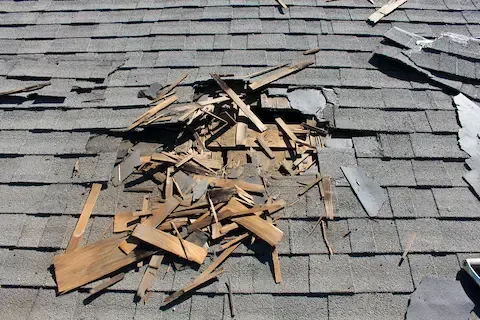
Spring Storm Season Roof Prep in Decatur AL and Hartselle
Spring storm season in Decatur AL and Hartselle typically runs from March through June, bringing hail, straight-line winds, and heavy rain that test every roof in the Tennessee Valley. The good news is that most storm-related roof damage is preventable with targeted pre-season preparation. A roof that has clean gutters, sealed flashing, and intact shingles going into storm season is far less likely to develop leaks, lose shingles, or suffer structural damage when severe weather arrives. The steps below cover exactly what to inspect and address before the first storm cell rolls in.
Why Does Pre-Season Roof Prep Matter in Decatur and Hartselle?
Morgan County sits directly in a corridor where Gulf moisture collides with cold fronts pushing down from the north. Decatur and Hartselle homeowners see more hail events per year than most people expect, and spring squall lines regularly produce wind gusts above 60 mph. A shingle that is already cracked, curling, or lifting from winter cold needs almost no wind to peel off. Pre-season prep closes those vulnerabilities before they become emergency calls at midnight during an active storm. Insurance adjusters also look for evidence of deferred maintenance when evaluating claims, so a documented inspection can protect your coverage position.
What Should You Inspect Before Storm Season Starts?
Work through each of these areas in order. Start from the ground with binoculars before stepping onto any surface.
- Shingle condition: Look for curling edges, missing granules, cracked tabs, or any shingles that appear raised or buckled. Granule buildup in gutters is a sign shingles are nearing end of life.
- Flashing at all penetrations: Check around chimneys, pipe boots, skylights, and roof-to-wall transitions. Lifted or separated flashing is the most common entry point for storm water.
- Gutters and downspouts: Clean out winter debris completely. Clogged gutters back water up under shingles during heavy rain events. Confirm every downspout directs water at least four feet from the foundation.
- Soffit and fascia: Rotted fascia boards allow gutters to pull away from the roofline, creating open gaps water enters during wind-driven rain.
- Attic interior: Check for daylight penetrating through roof decking, water stains on rafters, or soft spots in the sheathing. These indicate existing damage that storm season will worsen rapidly.
- Tree limb clearance: Any branch hanging within six feet of the roofline in Decatur or Hartselle neighborhoods can become a projectile or sustained abrasion point during high-wind events. Remove or trim before April.
How Do You Prioritize Repairs Before the First Storm?
Not every issue requires immediate replacement. Prioritize in this order based on risk:
- Immediate action: Missing shingles, open flashing, soft decking, and any visible hole or gap. These guarantee water intrusion in the next rain event, storm or not.
- Before end of March: Curling or cracked shingles covering more than 10 percent of any roof slope. Reseal or replace before hail season peaks in April and May.
- Seasonal maintenance: Granule loss, minor sealant wear around pipe boots, and minor gutter sagging. These can be scheduled but should not be skipped entirely heading into storm season.
For help understanding what damage falls under storm coverage versus routine maintenance, review our storm damage walkthrough before contacting your insurer.
What Are the Most Common Pre-Storm Mistakes Decatur Homeowners Make?
Skipping the attic inspection is the most common oversight. Many Decatur and Hartselle homeowners check their roofs from the ground but never open the attic hatch. Existing moisture damage, soft decking, and failed insulation baffles are invisible from outside but create catastrophic failure points when a hail event adds sudden impact load across weakened sheathing.
The second mistake is patching over granule-depleted shingles with roofing caulk. Caulk buys days, not seasons. Shingles that have lost significant granule coverage are brittle and will crack or shatter on hail impact regardless of surface sealant. A proper replacement is the only durable fix going into spring storm season.
Third, homeowners often clear gutters in fall and assume the job is done. Winter months in Morgan County deposit additional debris, especially pine needles and small branches. A second gutter cleaning in late February or early March is standard practice for roofs with significant tree coverage.
When Should You Call a Professional Rather Than DIY?
Ground-level inspections, gutter cleaning from a ladder, and minor caulk work around visible pipe boots are reasonable DIY tasks for experienced homeowners comfortable with ladder safety. Everything else carries enough risk — both physical and financial — to warrant a professional eye.
A licensed roofing contractor can walk the roof surface, probe soft spots with a moisture meter, inspect flashing attachment points, and identify hail damage patterns that are not visible from the ground. In Decatur and Hartselle, professional pre-season inspections typically cost far less than even a single emergency repair call after a storm. If your roof is more than 12 years old or has not been inspected in the past two years, a professional evaluation before April is the highest-value step you can take.
If you want a crew that knows how the Tennessee Valley's spring storm patterns affect local roofing materials, Storm Damage Roofing services in Decatur can walk your property before the season peaks and document current conditions for your records.
What Should You Do Immediately After a Storm Hits?
Document everything before any cleanup begins. Photograph the yard, gutters, shingles, and any visible damage from multiple angles. Note the date and time. If you see missing shingles, exposed decking, or interior ceiling stains appear within hours of a storm, contact a roofing professional the same day — not because repairs happen that fast, but because a written inspection report tied to the storm event date is essential for an insurance claim. Most Morgan County adjusters want to see damage documented within 30 to 90 days of the event.
