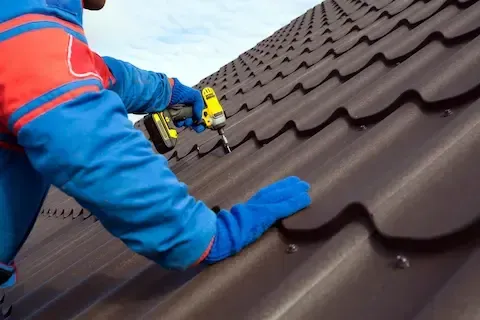
Summer Metal Roof Heat in Decatur AL Reflectivity Study
Metal roofs in Decatur, AL can dramatically reduce summer heat gain when the right reflective coating and color are chosen. A standard unpainted metal roof absorbs heat aggressively in Alabama's intense summer sun, pushing attic temperatures above 150°F. However, cool metal roofing systems with high solar reflectance index (SRI) coatings can keep attic temps 40–60°F lower than conventional asphalt shingles. For homeowners in Decatur and the surrounding Tennessee Valley region, selecting the correct coating, color, and ventilation strategy determines whether your metal roof becomes a heat shield or a heat trap.
What Makes a Metal Roof Reflective in Summer Heat?
Reflectivity in roofing is measured by two values: solar reflectance (how much sunlight bounces off the surface) and thermal emittance (how quickly the roof releases absorbed heat). A cool metal roof scores high on both. Factory-applied PVDF or Kynar-based coatings common in Alabama commercial and residential installations achieve solar reflectance values of 0.60 to 0.70, meaning they reflect 60–70% of incoming solar radiation. Standard bare galvalume metal sits around 0.35–0.45 reflectance, which is better than dark asphalt shingles at 0.05–0.15 but still leaves significant room for improvement. For Decatur homeowners, Energy Star-rated cool metal roofing products are the benchmark worth requesting from any contractor.
How Does Color Choice Affect Summer Performance in Decatur?
Color is the most visible factor but not always the most important one. Light colors like white, light gray, and cream naturally reflect more visible light. However, infrared radiation — which accounts for roughly 53% of solar energy — is invisible. Modern cool-pigment technology allows darker colors such as charcoal, bronze, and hunter green to reflect infrared wavelengths even when they absorb visible light. This means a dark-colored standing seam roof with cool-pigment coating can outperform a light-colored roof without that coating. In Decatur's climate zone 3A, where cooling loads dominate from May through September, choosing a cool-pigment coated panel in any color provides meaningful energy savings compared to selecting color alone without the coating specification.
What Do Attic Temperature Numbers Look Like in Alabama Summers?
Field data from comparable Alabama installations gives a useful picture. A typical unventilated attic under dark asphalt shingles in a Decatur-area home can reach 155–165°F on a July afternoon when outdoor temps hit 95°F. The same structure with a standard galvalume metal roof drops that figure to roughly 130–140°F. Install a cool metal roofing system with an SRI above 85 and proper ridge-and-soffit ventilation, and attic temps fall to the 100–115°F range. That 50°F reduction in peak attic temperature translates directly into reduced air conditioning load. HVAC systems in homes across the Tennessee Valley region typically see 15–25% reductions in cooling energy consumption after a cool metal roof installation, depending on insulation levels and duct sealing. If you want supporting context on product selection and installation standards for this region, the Decatur AL metal roofing guide covers those topics in detail.
Does Roof Ventilation Change How Much a Metal Roof Reflects Heat?
Ventilation and reflectivity work together — neither replaces the other. A highly reflective metal roof with poor ventilation still traps residual heat in the attic cavity. Conversely, excellent soffit and ridge ventilation under a non-reflective metal panel still allows substantial radiant heat transfer into the attic before air movement can carry it away. The best-performing systems in Decatur homes combine an Energy Star-rated cool metal panel with a continuous ridge vent, adequate soffit venting calculated at one square foot of net free area per 150 square feet of attic floor, and in many cases a radiant barrier installed on the attic floor or draped over the rafters. When all three elements are in place, you get compounding benefits rather than marginal improvements from each component alone.
Are There Local Utility or Rebate Incentives for Cool Metal Roofing in Decatur?
Decatur Utilities and Tennessee Valley Authority programs have periodically offered residential energy efficiency incentives that cover reflective roofing upgrades. Eligibility and amounts change year to year, so verifying current program status directly with Decatur Utilities before purchasing is the right move. At the federal level, the Inflation Reduction Act energy efficiency tax credits allow homeowners to claim up to 30% of the cost of qualifying energy-efficient home improvements, with a $1,200 annual cap on roofing materials that meet Energy Star requirements. A qualified Metal Roofing contractor can provide product documentation showing SRI values and Energy Star certification numbers needed to support a tax credit claim.
What Should Decatur Homeowners Ask Before Buying a Metal Roof?
Before signing a contract for a metal roof in the Decatur, AL area, ask the contractor to provide the Solar Reflectance Index rating for the specific panel and coating being proposed. Request the manufacturer's product data sheet showing both solar reflectance and thermal emittance values. Ask whether the coating is a standard polyester, silicone-polyester, or a premium PVDF formulation — PVDF holds its reflectance longer as the coating ages. Ask how the ventilation design will be calculated for your specific attic geometry. And confirm whether the panels are Energy Star labeled, which is the most straightforward way to verify that reflectance and emittance values meet the program threshold for steep-slope residential roofing. Getting clear written answers to these questions before installation protects both your investment and your long-term energy performance expectations in Morgan County's demanding summer climate.
