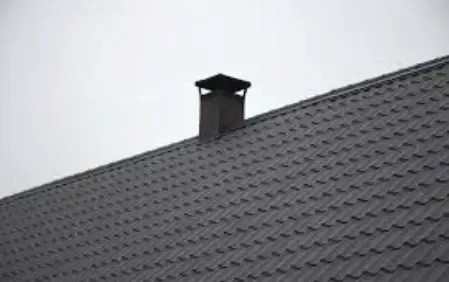
FORTIFIED Roof Standards in Decatur AL Homeowner Briefing
FORTIFIED roofing represents a revolutionary approach to residential construction standards that addresses the unique weather challenges facing Decatur, Alabama homeowners. This comprehensive building methodology, developed by the Insurance Institute for Business & Home Safety (IBHS), creates homes capable of withstanding severe weather events including high winds, hail storms, and the tornado activity common throughout North Alabama. Understanding these standards becomes essential for homeowners seeking to protect their investment while potentially reducing insurance costs.
Understanding FORTIFIED Designation Levels
The FORTIFIED program operates through three distinct designation levels, each building upon the previous tier's requirements. FORTIFIED Roof serves as the foundational level, focusing specifically on strengthening the roof system against wind and hail damage. This designation requires enhanced roof deck attachment, improved roof-to-wall connections, and a sealed roof deck that prevents water intrusion during storms.
FORTIFIED Silver expands beyond roofing to include strengthened wall systems and enhanced door and window protection. This mid-tier designation addresses the home's overall envelope, creating a more comprehensive defense against severe weather. FORTIFIED Gold represents the highest level, incorporating all previous requirements while adding safe room construction or enhanced structural elements designed to protect occupants during the most severe weather events.
Each designation level requires third-party verification through certified inspectors, ensuring compliance with specific construction standards. Decatur homeowners pursuing any FORTIFIED level must work with qualified contractors familiar with these enhanced building techniques and undergo inspection at critical construction phases.
Specific Roof Construction Requirements
FORTIFIED roof construction demands precise adherence to enhanced attachment specifications that exceed standard building codes. Roof decking must utilize ring shank nails or screws spaced according to FORTIFIED guidelines, typically requiring closer spacing than conventional installation. The roof deck receives continuous sealing treatment, creating a barrier against water intrusion that protects the home's interior even when shingles become damaged during storms.
Roof-to-wall connections require reinforcement through hurricane clips or similar connectors rated for enhanced wind loads. These connections create a continuous load path that transfers wind forces from the roof system down through the walls to the foundation. Standard construction practices often overlook this critical connection point, leaving homes vulnerable to roof loss during severe weather events.
The roof covering itself must meet impact resistance ratings appropriate for the local climate conditions. In Decatur's hail-prone environment, this typically means Class 4 impact-resistant shingles or metal roofing systems designed to withstand significant hail strikes. FORTIFIED Roofing installation requires specific underlayment systems and flashing details that create redundant weather barriers.
Installation Process and Timeline Considerations
FORTIFIED roof installation follows a structured process that begins with detailed planning and material specification. Contractors must demonstrate familiarity with FORTIFIED requirements before beginning work, as modifications after construction completion become expensive and complex. The installation process typically requires 20-30% more time than conventional roofing due to enhanced attachment requirements and quality control measures.
Critical inspection points occur throughout the construction process, not just at completion. Inspectors verify roof deck attachment, sealing application, and connection details before allowing work to proceed to the next phase. This staged approach ensures compliance with standards but requires coordination between contractors, inspectors, and homeowners to avoid construction delays.
Weather considerations become particularly important during FORTIFIED construction, as certain installation steps require specific environmental conditions. Sealing applications and membrane installations must occur during appropriate temperature ranges and humidity levels to ensure proper adhesion and performance.
Insurance Benefits and Premium Reductions
Many insurance carriers offer significant premium reductions for homes meeting FORTIFIED standards, with discounts ranging from 10-35% depending on the designation level achieved. These reductions reflect the demonstrated performance improvement of FORTIFIED construction during severe weather events. Decatur homeowners should verify available discounts with their insurance provider before beginning construction, as not all carriers participate in FORTIFIED incentive programs.
Claims experience data shows FORTIFIED homes sustain significantly less damage during severe weather events, reducing both the frequency and severity of insurance claims. This improved performance benefits both homeowners through lower out-of-pocket expenses and insurance companies through reduced claim payouts, creating a win-win scenario that supports continued program expansion.
Documentation requirements for insurance discounts include providing certification from the FORTIFIED designation process to the insurance carrier. This certification must be maintained and renewed according to carrier requirements, typically every few years or when policy renewals occur.
Common Implementation Challenges
Cost considerations represent the primary challenge for many homeowners considering FORTIFIED construction. Enhanced materials and construction techniques typically add 15-25% to conventional roofing costs, though this investment often pays returns through insurance savings and reduced storm damage over time. Financing options and contractor payment plans can help manage upfront costs while allowing homeowners to begin receiving insurance benefits immediately upon completion.
Contractor availability presents another significant challenge, as FORTIFIED construction requires specialized knowledge and certification. Not all roofing contractors possess FORTIFIED training, limiting homeowner options and potentially extending project timelines. Researching and selecting qualified contractors becomes essential for successful project completion.
Building permit and inspection coordination can create delays if local building officials lack familiarity with FORTIFIED requirements. Working with experienced contractors who understand local permitting processes helps streamline approvals and avoid construction delays. Some jurisdictions offer expedited permitting for FORTIFIED construction projects, recognizing the community benefits of enhanced storm resistance.
Local Climate Factors in Decatur
Decatur's position in North Alabama places homes directly in the path of severe thunderstorm activity and tornado occurrences that make enhanced construction standards particularly valuable. The Tennessee Valley's topography can intensify storm systems, creating wind speeds and hail sizes that exceed those experienced in other regions. FORTIFIED standards account for these regional climate factors through enhanced wind load requirements and impact resistance specifications.
Seasonal weather patterns in the Decatur area create multiple severe weather seasons, with spring tornado activity and summer thunderstorm complexes both capable of causing significant roof damage. Traditional construction methods often prove inadequate against these repeated severe weather exposures, making FORTIFIED enhancement a practical long-term investment for area homeowners.
Historical storm data from the National Weather Service office in Huntsville demonstrates the frequency and intensity of severe weather events affecting the Decatur region. This data supports the economic justification for enhanced construction standards and helps homeowners understand the risk mitigation benefits of FORTIFIED designation.
Long-term Maintenance and Performance
FORTIFIED roofing systems require ongoing maintenance to preserve their enhanced performance characteristics. Regular inspections should focus on maintaining the sealed roof deck integrity and ensuring attachment systems remain secure. Professional maintenance schedules typically recommend annual inspections with detailed assessments following any significant weather events.
Repair procedures for FORTIFIED roofing systems must maintain compliance with original construction standards. Using non-FORTIFIED materials or installation techniques during repairs can compromise the system's overall performance and potentially void insurance benefits. Working with contractors familiar with FORTIFIED repair requirements ensures continued system integrity.
Performance monitoring through post-storm assessments helps homeowners understand their system's effectiveness and identify any maintenance needs. Documenting storm performance also supports insurance claim processes and provides valuable feedback for future construction decisions. For comprehensive information about traditional roofing options alongside FORTIFIED enhancements, homeowners can reference the Decatur AL shingle overview to understand baseline construction approaches.
Future Construction Trends and Considerations
Building code evolution continues incorporating lessons learned from FORTIFIED construction research and real-world performance data. Future code updates may require some FORTIFIED elements as standard practice, making early adoption a strategic advantage for current homeowners. Staying informed about proposed code changes helps homeowners make informed decisions about construction timing and specification levels.
Technology advances in construction materials and techniques continue improving FORTIFIED system performance while potentially reducing installation costs. New products designed specifically for enhanced weather resistance create opportunities for more cost-effective compliance with FORTIFIED standards. Monitoring these technological developments helps homeowners and contractors optimize project specifications and budgets. To weigh the return see what a FORTIFIED roof designation is worth in Decatur AL, and which Alabama carriers offer FORTIFIED discounts lists the specific programs.
