Huntsville Roofing Built for Rocket City Weather
Why Huntsville Roofs Face Unique Pressures
Roofing systems across Huntsville absorb some of the most aggressive weather cycling in the Southeast. The Tennessee Valley funnels severe thunderstorms through Madison County with regularity from March through October, delivering hail events that strip granules from shingles and wind gusts that compromise seal strips on even newer installations. Properties ranging from mid-century ranch homes in Jones Valley to contemporary builds in Hampton Cove and Providence all share the same exposure to these seasonal threats, though each housing type responds differently to the cumulative stress. Older homes with original decking may show moisture intrusion patterns that newer construction avoids through improved underlayment standards, but no roof system in this corridor is immune to the thermal cycling that North Alabama summers impose. Sustained temperatures above ninety degrees for months at a time accelerate UV degradation on asphalt products while expanding and contracting flashing details at every roof penetration. The combination of storm impact damage and slow thermal wear creates compounding vulnerabilities that many property owners miss until an interior leak reveals what has been developing overhead for seasons. Understanding how these environmental pressures interact with specific roofing materials and installation methods is what separates a roof that lasts its full rated lifespan from one that fails prematurely and costs significantly more over time.
Protecting Your Huntsville Property Year-Round
Huntsville has added thousands of residential units over the past decade as defense, aerospace, and technology employment continue driving demand for housing across every price tier. That growth means roofing contractors in this market encounter everything from historic Twickenham District homes requiring careful material matching to massive new subdivisions where builder-grade shingle installations may already be showing premature wear. Commercial properties along the Research Park corridor and industrial facilities near the airport add flat roof and metal panel systems to the mix, each with their own maintenance requirements and failure modes under Tennessee Valley weather conditions. The sheer variety of roof types, ages, and configurations across Huntsville demands a contractor who can assess each situation individually rather than applying the same approach to every project. Storm damage claims in Madison County follow predictable seasonal patterns, and homeowners who address damage promptly after spring and summer events consistently avoid the escalating repair costs that come from allowing compromised roofing components to deteriorate through additional weather cycles. Whether the need is a targeted repair after a single storm event, a full replacement on an aging system, or a thorough inspection to establish baseline condition before the next severe weather season, the approach should always start with an honest evaluation of what the roof actually needs.
Residential Roof Systems in Huntsville
Residential roofing across Huntsville covers a wide spectrum of materials, ages, and installation standards that reflect the city's layered growth over many decades. Properties in established areas like Blossomwood, Monte Sano, and the Five Points district often feature original or second-generation roof systems on structures built between the 1940s and 1980s, where attic ventilation design and decking condition are critical factors in any repair or replacement decision. Newer developments in south Huntsville and the western growth corridors typically run builder-grade architectural shingles that perform adequately when installed correctly but can show premature wear if ventilation ratios were not properly calculated during construction. Every residential roofing project in this market should start with a full system evaluation that goes beyond surface shingle condition to assess ventilation balance, flashing integrity, decking soundness, and gutter drainage performance. The interaction between these components determines how well any roof system handles the thermal stress of Alabama summers and the impact forces of Tennessee Valley storms. Skipping any part of that evaluation leads to incomplete repairs that address symptoms rather than underlying causes, setting up the next failure cycle before the current project is even finished. Homeowners who invest in comprehensive evaluation upfront consistently avoid the repeated repair expenses that come from treating visible damage without addressing the system-level conditions that caused it.
Commercial and Flat Roof Services
Commercial and flat roof systems across Huntsville serve a different set of operational priorities than residential work, and the consequences of failure extend well beyond the structure itself. Office complexes, retail properties, and research facilities along the University Drive and Research Park corridors depend on membrane systems that must handle both the ponding water risks from intense thunderstorm downpours and the UV degradation from extended summer heat exposure. Industrial buildings and warehouse facilities near the airport and along the northern industrial zones add structural load considerations and drainage engineering challenges that standard residential contractors are not equipped to evaluate properly. TPO, EPDM, PVC, and modified bitumen each have different performance characteristics under these specific conditions, and material selection should be driven by building use, drainage design, and long-term maintenance budget rather than upfront cost alone. Preventive maintenance programs for commercial roofs in this climate pay for themselves many times over by catching ponding issues, seam separations, and flashing failures at the stage where a targeted repair prevents a full-scale leak that damages interior assets worth far more than the roof itself. The operational disruption caused by an unplanned commercial roof leak often costs more in lost productivity and inventory damage than the repair itself, making proactive maintenance the clear financial choice for building owners and facility managers.
Storm Damage and Insurance Claims
Storm damage claims represent a significant portion of roofing work across Huntsville and Madison County, driven by the Tennessee Valley corridor's position as one of the most active severe weather regions in the Southeast. Multiple severe weather events each year produce hail ranging from pea-sized to golf ball diameter, straight-line winds exceeding sixty miles per hour, and occasional tornado activity that can devastate entire subdivisions in minutes. Most storm damage to roofing systems is not immediately visible from ground level, which is why professional post-storm inspections are essential rather than optional. Hail impacts create micro-fractures in shingle surfaces that may not produce leaks for months, while wind events lift and reseal shingle edges in ways that weaken their long-term adhesion without obvious visual evidence. Thorough post-storm inspections using systematic documentation methods provide the foundation for successful insurance claims, and the timing of those inspections matters significantly. Waiting too long after an event allows additional weather exposure to obscure the original damage pattern, making it harder to demonstrate causation to insurance adjusters. The claims process in Alabama follows specific documentation requirements and timelines that experienced contractors navigate efficiently, while property owners who attempt the process independently often leave legitimate coverage on the table through incomplete documentation or missed supplemental filing opportunities.
Comprehensive Roofing Contractor Services in Decatur
Tailored to Your Needs
Every roofing project has its own set of requirements, and a one-size-fits-all approach does not work when your home or business is on the line. We offer a full range of roofing services designed to cover everything from emergency storm repairs to complete new construction installations. Each service is backed by professional-grade materials, experienced crews, and the kind of local knowledge that only comes from working across the Decatur area day in and day out. Whether you need a quick repair before the next storm front arrives or a long-term roofing investment that adds value and protection to your property, we have the experience and the capability to deliver.
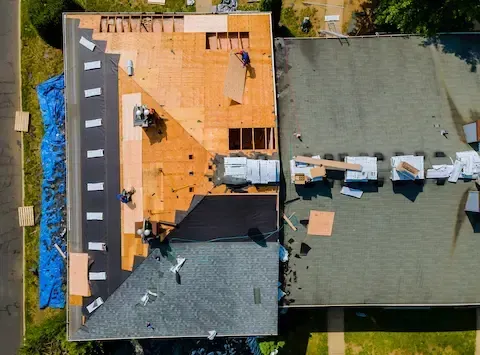
Complete roof replacement services for Decatur homes — from tear-off to final inspection, built to last through every storm season.
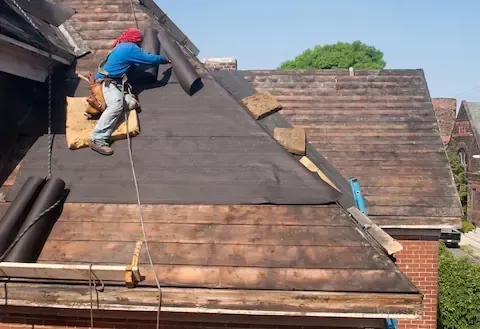
Fast, reliable roof repairs for Decatur homes — from minor shingle fixes to major storm damage restoration.
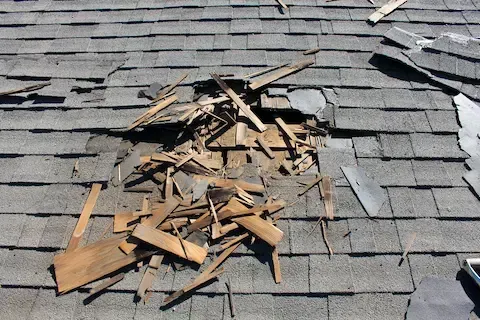
Complete storm damage roofing services including inspections, insurance claims support, and repairs for Decatur homes.
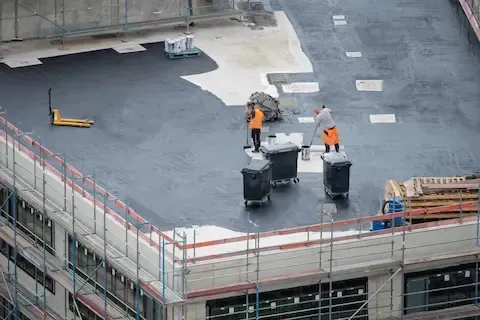
Professional commercial roofing services for Decatur businesses — from flat roof systems to full-scale industrial installations.
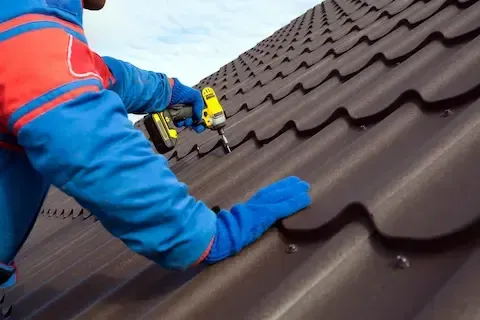
Premium metal roofing systems for Decatur properties — built to outlast storms and deliver decades of low-maintenance protection.
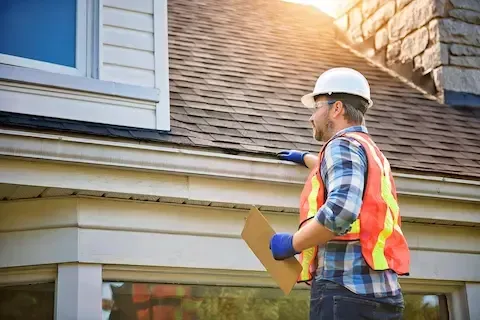
Detailed professional roof inspections for Decatur homes — documented reports for insurance, maintenance, and peace of mind.
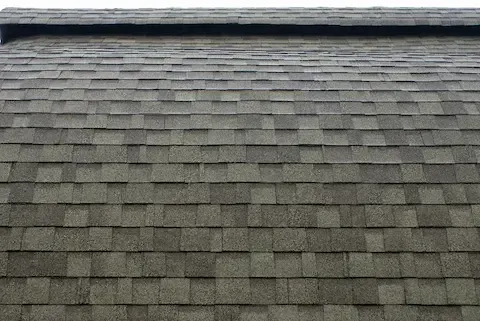
Quality asphalt shingle roofing for Decatur homes — from budget-friendly three-tab to premium architectural products.
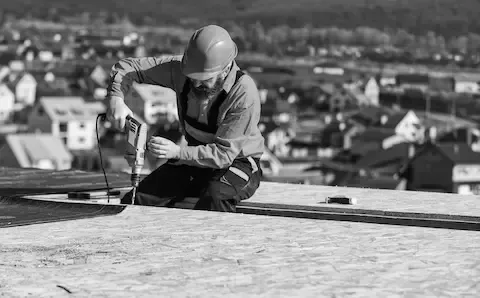
Specialized flat roofing services for Decatur commercial and residential properties — expert installation, repair, and maintenance.
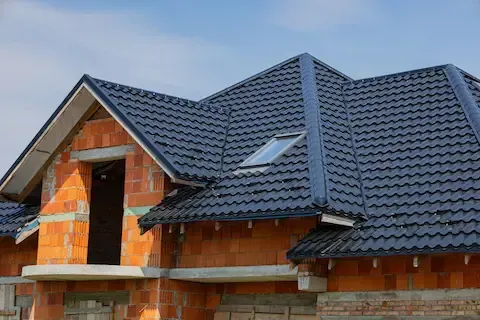
New construction roofing designed and installed for Decatur builders and homeowners — engineered right from the ground up.
FORTIFIED roofing for Decatur homes — IBHS-certified installation that strengthens your roof and can lower your insurance premiums.
Frequently Asked Questions
Roofing Contractor can be complex, and we’re here to provide answers to common questions. Here are some frequently asked questions from our clients.
Frequently Asked Questions about Roofing
How long does a roof replacement take?
Most roof replacements in the Decatur area take between one and three days depending on the size of your home, the roofing material selected, and weather conditions. Larger homes with complex roof lines or multiple layers requiring tear-off may extend to four or five days. We coordinate every detail of the project timeline before work begins so you know exactly what to expect from start to finish.
How do I know if my roof needs repair?
Several warning signs indicate your roof may need professional attention. Look for missing, cracked, or curling shingles, granule buildup in your gutters, daylight visible through roof boards, and water stains on interior ceilings or walls. After severe weather events common in the Tennessee Valley, schedule an inspection even if you do not see visible damage from the ground - hail and wind can cause hidden damage that worsens over time.
How long does a roof last in Alabama?
A standard asphalt shingle roof in North Alabama typically lasts between 20 and 30 years depending on the shingle quality, installation standards, and exposure to severe weather. Metal roofing systems can last 40 to 70 years with proper installation. The Tennessee Valley's combination of heat, humidity, hail, and high winds can shorten these lifespans if maintenance is neglected, which is why regular inspections matter here more than in milder climates.
Do I need a permit for roofing work in Decatur?
Yes, most roofing work in Morgan County requires a permit. The permitting process ensures your new roof meets current Alabama building codes and local ordinances. We handle all permit applications and scheduling of required inspections as part of our standard service so you never have to visit the county office or worry about compliance paperwork.
Does insurance cover storm damage to my roof?
Absolutely. If your roof was damaged by a storm, your homeowner's insurance policy likely covers part or all of the replacement or repair cost. We work directly with insurance companies throughout the claims process, from the initial damage assessment and documentation through adjuster meetings and supplemental filings. Our team understands how Alabama insurance claims work and advocates on your behalf to ensure fair settlement.
How often should I get my roof inspected?
We recommend scheduling a professional roof inspection at least once per year, ideally in early spring before the severe weather season ramps up across the Tennessee Valley. You should also schedule an inspection after any major storm event involving hail, high winds, or heavy rainfall. Regular inspections catch small problems before they become costly repairs and help document your roof's condition for insurance purposes.
Need Roofing Contractor?
What Our Satisfied Clients Have to Say About Decatur Premier Roofing
We pride ourselves on delivering great results and experiences for each client. Hear directly from home and business owners who’ve trusted
us with their Roofing Contractor needs.

After a bad hailstorm tore up our shingles, these guys had someone out the next morning for an inspection. They handled every detail of the insurance claim and had the new roof installed within two weeks. Professional from start to finish and the crew left our yard cleaner than they found it.
James T. — Decatur, AL
We got three estimates for our roof replacement and they were the only company that actually took the time to explain what we needed versus what we did not. Fair price, great communication throughout the project, and the roof looks fantastic. Highly recommend them to anyone in Morgan County.
Linda M. — Hartselle, AL
I manage several commercial properties and have used this team for flat roof repairs and maintenance for over two years now. They show up when they say they will, keep me informed on what needs attention, and their work quality is consistently solid. Hard to find that kind of reliability in this industry.
Robert K. — Huntsville, AL
The Trusted Roofing Contractor Expert Near You
Ready to hear more about expert services at Decatur Premier Roofing?
Contact us today to receive a detailed, no-obligation quote.

Servicing Decatur, AL and the surrounding communities
Mon-Fri, 8am-5pm
