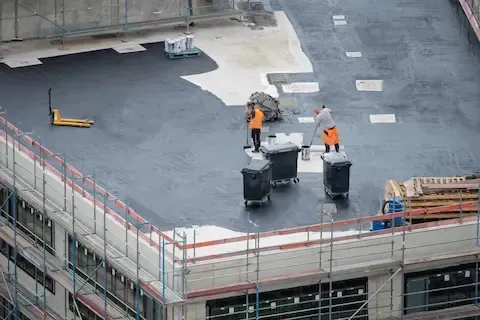
Summer Commercial Roof Care in Decatur AL Business Hubs
Summer commercial roof care in Decatur, AL means inspecting and maintaining your roof before July heat and afternoon storms accelerate existing damage. Property managers in Decatur business hubs should prioritize UV coating integrity, drainage clearance, and seam checks each May or early June. North Alabama's combination of intense sun, high humidity, and sudden heavy rain puts flat and low-slope commercial roofs under compounded stress. Catching small problems before peak summer reduces emergency repair costs and protects interior assets. A structured seasonal checklist keeps your building compliant and your tenants dry throughout the hottest months.
Why Does Summer Stress Commercial Roofs in Decatur More Than Other Seasons?
Decatur sits in a climate zone where summer surface temperatures on commercial flat roofs regularly exceed 160°F. That thermal load causes membrane expansion and contraction every single day. Over weeks, that cycling separates seams, degrades adhesive flashings, and causes ponding areas to deepen as the substrate shifts. The Tennessee Valley's afternoon thunderstorm pattern adds a second stress layer: intense UV exposure followed by sudden heavy rainfall, sometimes within the same hour. Rooftop drains that handled spring debris loads without issue can fail under a two-inch-per-hour rain event if they haven't been cleared. Decatur's industrial and commercial corridors along Highway 31 and Beltline Road Southwest include large flat-roof warehouses and retail centers especially vulnerable to these combined stressors.
What Should a Summer Roof Inspection Checklist Cover for Commercial Properties?
A thorough pre-summer commercial inspection should address the following items in sequence:
- Membrane surface: Look for bubbling, cracking, or discoloration that signals UV degradation or moisture intrusion beneath the surface layer.
- Seams and laps: Check every seam line for lifting edges or separation. Heat-welded TPO and PVC seams can re-open under sustained high temperatures if originally installed with insufficient overlap.
- Flashings: Inspect all penetration flashings around HVAC curbs, pipes, skylights, and parapet walls. Caulk shrinks in heat; resealing prevents water entry at these high-risk points.
- Drains and scuppers: Clear debris from every interior drain and perimeter scupper. Test flow by running water to confirm drains are fully open and pitched correctly.
- Ponding areas: Map any zones where water stands more than 48 hours after rain. Persistent ponding accelerates membrane breakdown and is a leading cause of commercial roof failure in Alabama.
- Reflective coating condition: If your building has an elastomeric or reflective coating, check for peeling, chalking, or bare spots. Recoating extends roof life and reduces cooling costs during Decatur's hottest months.
- Rooftop equipment: HVAC units vibrate constantly; check that equipment curbs haven't shifted and that condensate lines drain properly rather than pooling on the roof surface.
For a full-service approach to your facility, review Commercial Roofing options available for Decatur businesses, including membrane restoration and scheduled maintenance programs.
Which Roof Types Are Most Common in Decatur Commercial Business Hubs?
Decatur's commercial stock includes a mix of older built-up roofing systems on mid-century warehouses near the riverfront and newer TPO or EPDM single-ply systems on retail and medical facilities along Beltline Road and Sixth Avenue. Each system has distinct summer vulnerabilities. Built-up roofing with gravel ballast retains heat and can shift gravel away from high-traffic areas, exposing the underlying cap sheet. TPO membranes reflect heat well when clean but lose reflectivity when covered with algae or dust, which is common after Decatur's pollen season ends in late spring. EPDM membranes are durable but their seam adhesives soften in extreme heat, requiring periodic re-bonding. Knowing your roof type helps you target the right maintenance tasks rather than applying a generic checklist.
How Often Should Commercial Roofs in Decatur Be Maintained During Summer?
Most roofing professionals recommend at minimum two formal inspections per year, with the first occurring in late spring before summer heat peaks and the second in early fall after storm season tapers. Between those inspections, monthly walkthroughs by facility staff help catch drain clogs and obvious surface damage. If your Decatur property experienced hail or high winds during spring storm season, an additional post-storm inspection is warranted before summer heat sets in. Properties with rooftop HVAC equipment benefit from coordinating roof inspections with HVAC service visits, since technicians often inadvertently damage membrane surfaces and flashings during maintenance work. You can also read the Decatur AL commercial overview for broader guidance on maintaining commercial properties in this region year-round.
What Are the Costliest Mistakes Decatur Property Managers Make With Summer Roof Care?
The most expensive mistake is delaying inspection until a leak becomes visible inside the building. By that point, water has typically traveled through the membrane, insulation board, and decking, creating damage that costs several times more than the original repair would have. A second common error is performing only cosmetic repairs, patching surface cracks without addressing the underlying cause such as failed flashing or inadequate drainage. A third mistake is ignoring reflective coating renewal. In Decatur's climate, a well-maintained reflective coating can reduce rooftop surface temperatures by 40 to 50 degrees, meaningfully cutting HVAC loads and extending membrane life. Skipping recoating to save money typically leads to premature full membrane replacement within five to eight years.
When Is the Right Time to Schedule Summer Roof Work in Decatur?
The ideal window for summer commercial roof maintenance in Decatur is May through early June. Temperatures are high enough for adhesives and coatings to cure properly, but not yet at peak intensity. Contractors have better scheduling availability before the hottest weeks arrive and before storm season reaches its late-summer peak. If you manage multiple properties in the Decatur area, grouping inspections and coating work into a single mobilization reduces cost per location. Waiting until July or August means competing for contractor availability after storm damage has already created a backlog across the Tennessee Valley region. Early scheduling protects both your roof and your project budget.
