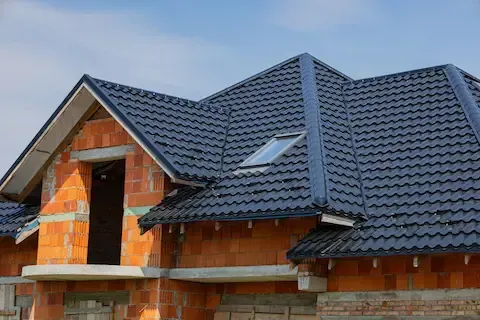
New Construction Roofing in Decatur AL Builder Briefing
New construction roofing in Decatur AL requires careful coordination between builders, contractors, and roofing specialists to ensure proper installation from the foundation up. The process involves multiple stages of planning, material selection, and execution that must align with Alabama building codes and local climate considerations. Understanding these requirements helps builders deliver quality homes that protect homeowners for decades.
Truss System Preparation and Deck Specifications
Your roof deck foundation determines the success of the entire roofing system. In Decatur's climate, proper truss spacing typically requires 24-inch on-center placement for standard asphalt shingle applications, though metal roofing may allow wider spacing depending on the profile selected. The deck material choice significantly impacts both structural integrity and long-term performance.
OSB (Oriented Strand Board) remains the most common deck material for new construction in the Decatur area, with 7/16-inch thickness being standard for most residential applications. However, plywood decking offers superior moisture resistance, making it worth considering for premium builds or areas with known moisture challenges. Both materials must meet APA (American Plywood Association) standards and carry proper span ratings for your specific truss configuration.
Proper deck installation requires careful attention to expansion gaps, typically 1/8 inch between panel edges and 1/4 inch at panel ends. These gaps prevent buckling during Alabama's hot summers when materials expand significantly. Edge support at all panel edges ensures structural integrity and prevents sagging that could compromise the roofing material installation.
Fastener selection plays a crucial role in deck performance. Ring shank nails or screws provide superior holding power compared to smooth shank fasteners. For OSB decking, 8d ring shank nails at 6 inches on center along edges and 12 inches in the field provide adequate attachment. Screw fasteners, while more expensive, offer enhanced holding power and reduced potential for nail pops over time.
Underlayment Systems and Weather Protection
Underlayment selection directly impacts your home's weather resistance and warranty compliance. Standard felt underlayment has largely been replaced by synthetic alternatives that offer superior tear resistance, UV protection, and installation convenience. These synthetic membranes provide better traction for roofers and resist wrinkling during installation.
Ice and water shield application requires strategic placement even in Alabama's relatively mild climate. While full coverage isn't typically required, applying ice and water shield along eaves, valleys, and around penetrations provides crucial protection against wind-driven rain. Decatur's occasional ice storms make this protection particularly valuable along the first three feet of eave areas.
Proper overlap techniques ensure continuous protection across the entire roof surface. Horizontal overlaps should measure 6 inches minimum, while side laps require 4-inch overlap for felt and 6-inch overlap for synthetic materials. Starting from the eave and working toward the ridge prevents water infiltration at seams.
Mechanical attachment of underlayment provides better wind resistance than adhesive-only systems. Cap nails or staples placed according to manufacturer specifications ensure the underlayment remains in place during material installation and severe weather events. New Construction Roofing projects benefit from professional installation that follows these critical attachment protocols.
Material Selection and Installation Considerations
Asphalt shingles remain the most popular choice for new construction in Decatur, offering excellent value and proven performance in Alabama's climate. Architectural shingles provide enhanced curb appeal and typically carry longer warranties than three-tab alternatives. When selecting shingles, consider both the aesthetic goals and the specific warranty requirements that may affect long-term coverage.
Metal roofing continues growing in popularity for new construction applications. Standing seam systems provide exceptional longevity and energy efficiency, while exposed fastener panels offer cost-effective performance for many applications. Metal roofing's reflective properties help reduce cooling costs during Alabama's hot summers, making it an attractive option for energy-conscious builders.
Proper shingle installation begins with accurate chalk line placement to ensure straight, professional-looking courses. The first course requires careful attention to overhang dimensions - typically 1/2 to 3/4 inch at eaves and rakes. Subsequent courses must maintain proper exposure, usually 5 inches for architectural shingles, with careful attention to manufacturer specifications.
Fastener placement significantly affects shingle performance and warranty compliance. Each shingle typically requires 4-6 fasteners placed in the designated nail zone, avoiding over-driving that can compromise the seal strip. Under-driving creates potential wind uplift problems, while over-driving can cut through the shingle material.
Valley installation demands particular attention to detail. Open valleys using metal flashing provide excellent water flow and debris shedding, while closed valleys offer enhanced aesthetic appeal. Both methods require proper flashing installation and careful shingle cutting to ensure long-term performance.
Ventilation Systems and Energy Efficiency
Balanced ventilation systems are crucial for new construction roofing performance in Alabama's humid climate. Proper ventilation prevents moisture buildup that can lead to deck rot, insulation degradation, and ice dam formation during rare freezing events. The general rule requires 1 square foot of net free ventilation area per 150 square feet of attic space.
Ridge vents paired with soffit vents create effective airflow patterns that remove hot, humid air from attic spaces. Ridge vents should run continuously along the entire ridge length when possible, with proper baffles ensuring unobstructed airflow. Soffit vents must provide adequate intake area to balance the exhaust capacity of ridge vents.
Powered ventilation systems can supplement natural ventilation in challenging applications, but proper sizing prevents over-ventilation that can create negative pressure issues. Solar-powered units offer energy-efficient operation without increasing electrical loads, making them attractive for energy-conscious construction.
Vapor barriers and air sealing work in conjunction with ventilation systems to control moisture movement. Proper air sealing at penetrations, electrical boxes, and other openings prevents conditioned air from entering the attic space, reducing both energy costs and moisture problems.
Code Compliance and Inspection Requirements
Alabama building codes specify minimum requirements for roofing systems, including material standards, installation methods, and structural requirements. Local amendments in Decatur may impose additional requirements, particularly regarding wind resistance and energy efficiency standards. Staying current with code changes ensures smooth inspection processes and proper permits.
Wind resistance requirements typically mandate specific shingle ratings and installation methods for Alabama's climate zone. Impact resistance ratings become important in areas prone to hail damage, with Class 3 or Class 4 shingles offering enhanced protection and potential insurance premium reductions.
Inspection schedules typically include deck inspection before underlayment installation and final inspection after completion. Some jurisdictions require additional inspections for complex roof configurations or when specific materials are used. Coordinating with local building officials ensures smooth project progression.
Documentation requirements include material certifications, installation photos, and warranty information. Maintaining complete records protects both builders and homeowners while ensuring warranty compliance for all roofing components.
Common Installation Challenges and Solutions
Weather delays represent the most common challenge in new construction roofing. Alabama's frequent afternoon thunderstorms require flexible scheduling and proper material protection. Covering exposed decking and materials prevents moisture damage that can compromise installation quality and material warranties.
Coordination with other trades requires careful scheduling to prevent damage to completed roofing work. HVAC installations, electrical work, and other roof penetrations should be planned and executed to minimize disruption to the roofing system integrity.
Material delivery timing affects both cost and installation quality. Early delivery can result in weather exposure, while late delivery may delay project completion. Coordinating delivery with installation schedules and weather forecasts optimizes material condition and project timeline.
Quality control measures throughout installation prevent problems that become expensive to correct later. Regular inspections at key stages catch installation errors before they become hidden problems. Photo documentation provides valuable records for warranty claims and future reference.
Local Climate Considerations for Decatur
Decatur's humid subtropical climate creates specific challenges for roofing systems. High humidity levels require excellent ventilation to prevent moisture problems, while occasional severe weather demands robust installation methods and quality materials. Understanding these local conditions helps builders select appropriate systems and installation methods.
Summer heat loads in North Alabama can cause significant thermal expansion in roofing materials. Proper expansion joint placement and fastener techniques accommodate this movement without compromising system integrity. Light-colored materials reflect more heat, reducing cooling loads and extending material life.
Severe weather preparedness includes selecting materials rated for local wind speeds and installing systems according to high-wind specifications even when not required by code. The Decatur AL flat roofing guide provides additional insights into weather-resistant roofing approaches for commercial and residential applications.
Seasonal timing affects both installation conditions and material performance. Spring and fall typically offer the most favorable installation weather, while summer heat can make working conditions challenging and affect material handling. Winter installations require special precautions for temperature-sensitive materials and sealants.
Professional Installation and Builder Partnerships
Selecting qualified roofing contractors ensures proper installation and warranty compliance. Licensed contractors familiar with Alabama building codes and local conditions provide valuable expertise throughout the construction process. Established relationships with reputable contractors streamline project coordination and quality control.
Communication protocols between builders and roofing contractors prevent misunderstandings that can lead to installation problems or project delays. Clear specifications, regular progress meetings, and documented change orders maintain project control and quality standards.
Quality assurance programs implemented by professional roofing contractors include material inspections, installation monitoring, and final system testing. These programs identify potential problems early and ensure compliance with manufacturer warranties and building codes.
Long-term service relationships with roofing professionals provide valuable support for warranty claims, maintenance needs, and future construction projects. Contractors familiar with specific builders' standards and expectations deliver more consistent results and better project coordination. For the regulatory side, new build roofing codes in Decatur AL and Morgan County covers IRC adoption, wind uplift, and the permit submittal process.
